Do fabric wrapped acoustic panels improve the overall acoustics of a space? Fabric Wrapped Acoustic Panels
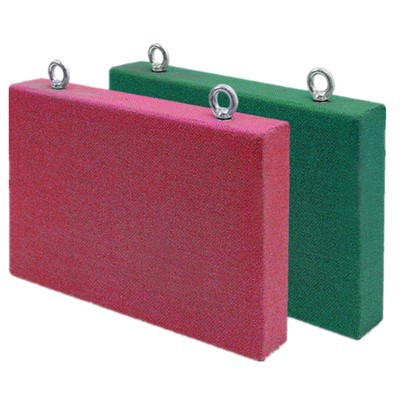
As a supplier of fabric wrapped acoustic panels, I’ve witnessed firsthand the transformative power these panels can have on various spaces. In this blog, I’ll delve into the science behind how these panels work, share real – world examples, and answer the burning question: Do fabric wrapped acoustic panels truly improve the overall acoustics of a space?
Understanding the Basics of Acoustics
Before we discuss the role of fabric wrapped acoustic panels, it’s essential to understand the fundamentals of acoustics. Sound is a form of energy that travels in waves. When these sound waves hit a surface, they can be reflected, absorbed, or transmitted. In an enclosed space, excessive sound reflection can lead to problems such as echo, reverberation, and poor speech intelligibility.
Reverberation is the persistence of sound in a space after the original sound source has stopped. A high level of reverberation can make a room sound noisy and chaotic. For example, in a large, empty hall with hard walls, sound waves bounce off the surfaces multiple times, creating a long reverberation time. This can be a major issue in spaces like classrooms, conference rooms, and auditoriums, where clear communication is crucial.
How Fabric Wrapped Acoustic Panels Work
Fabric wrapped acoustic panels are designed to absorb sound waves, reducing reflection and reverberation. The core of these panels is typically made of sound – absorbing materials such as fiberglass or mineral wool. The fabric covering not only provides an aesthetically pleasing look but also allows sound waves to penetrate the panel and be absorbed by the core material.
The fabric used in these panels is carefully selected to balance aesthetics with acoustic performance. It should be porous enough to allow sound waves to pass through but also durable and visually appealing. When sound waves hit the fabric, they enter the panel and are converted into heat energy as they interact with the fibers of the core material. This process effectively reduces the amount of sound that is reflected back into the space.
Benefits of Fabric Wrapped Acoustic Panels
1. Improved Speech Intelligibility
One of the most significant benefits of fabric wrapped acoustic panels is the improvement in speech intelligibility. In spaces like offices, classrooms, and meeting rooms, clear communication is essential. By reducing reverberation, these panels make it easier for people to understand each other. For example, in a classroom, students can better hear the teacher’s instructions, and in a meeting room, participants can follow discussions more clearly.
2. Reduced Noise Levels
Fabric wrapped acoustic panels can also help reduce overall noise levels in a space. In open – plan offices, where there is a lot of background noise from conversations, printers, and other equipment, these panels can absorb the sound and create a more peaceful environment. This can lead to increased productivity and reduced stress for employees.
3. Aesthetically Pleasing
Unlike some traditional sound – absorbing materials that may look unattractive, fabric wrapped acoustic panels can enhance the visual appeal of a space. They come in a wide range of colors, patterns, and textures, allowing them to blend in with the existing decor. Whether you’re looking to create a modern, minimalist look or a more traditional aesthetic, there is a fabric wrapped acoustic panel option to suit your needs.
4. Versatility
These panels can be used in a variety of spaces, including commercial buildings, residential homes, recording studios, and theaters. They can be installed on walls, ceilings, or even as freestanding partitions. This versatility makes them a popular choice for architects, interior designers, and facility managers.
Real – World Examples
Let’s take a look at some real – world examples of how fabric wrapped acoustic panels have improved the acoustics of different spaces.
Classroom
A local school was experiencing problems with poor speech intelligibility in its classrooms. The hard walls and high ceilings were causing excessive reverberation, making it difficult for students to hear the teacher. After installing fabric wrapped acoustic panels on the walls and ceiling, the reverberation time was significantly reduced. Teachers reported that students were more engaged in class, and test scores improved as a result of better communication.
Office
An open – plan office was facing high levels of noise pollution, which was affecting employee productivity. By installing fabric wrapped acoustic panels on the partitions and walls, the noise levels were reduced by up to 50%. Employees reported feeling less stressed and more focused on their work.
Recording Studio
A recording studio needed to improve the acoustics of its recording environment to ensure high – quality sound recordings. Fabric wrapped acoustic panels were installed on the walls and ceiling to control reflections and reverberation. The result was a more balanced and professional – sounding recording environment.
Factors to Consider When Using Fabric Wrapped Acoustic Panels
While fabric wrapped acoustic panels can significantly improve the acoustics of a space, there are several factors to consider when using them.
1. Panel Placement
The placement of the panels is crucial for achieving optimal acoustic performance. In general, panels should be placed on surfaces where sound waves are likely to reflect, such as walls and ceilings. The number of panels required will depend on the size and shape of the space, as well as the desired level of acoustic improvement.
2. Panel Thickness and Density
The thickness and density of the panels can also affect their acoustic performance. Thicker and denser panels generally provide better sound absorption. However, it’s important to balance the acoustic performance with the aesthetic and practical requirements of the space.
3. Maintenance
Fabric wrapped acoustic panels require regular maintenance to ensure their long – term performance. The fabric should be cleaned periodically to remove dust and dirt, which can affect the panel’s ability to absorb sound.
Conclusion
In conclusion, fabric wrapped acoustic panels can indeed improve the overall acoustics of a space. They offer a range of benefits, including improved speech intelligibility, reduced noise levels, aesthetic appeal, and versatility. By understanding the science behind how these panels work and considering the factors mentioned above, you can make an informed decision about whether fabric wrapped acoustic panels are right for your space.
Fiberglass Ceiling Panels If you’re interested in learning more about how fabric wrapped acoustic panels can enhance the acoustics of your space, or if you’re looking to purchase these panels for your project, I’d be more than happy to discuss your needs. Reach out to us to start a conversation about your acoustic requirements and how our products can help you achieve the perfect sound environment.
References
- Beranek, Leo L. "Acoustics." American Institute of Physics, 1992.
- Cox, Trevor J., and Peter D’Antonio. "Acoustic Absorbers and Diffusers: Theory, Design and Application." Taylor & Francis, 2004.
Guangzhou MQ Acoustic Materials Co., Ltd.
Guangzhou MQ Acoustic Materials Co., Ltd. is one of the most professional fabric wrapped acoustic panels manufacturers and suppliers in China, featured by quality products and low price. Welcome to buy CE approved fabric wrapped acoustic panels in stock here and get quotation from our factory. We also accept customized orders.
Address: Room D403, KeZhu Business Building, ZhuJi Road, TianHe District, GuangZhou, China
E-mail: Lizzy@mq-acoustics.com
WebSite: https://www.acoustic-projects.com/
