Hey there! As a supplier of training models for ultrasound guided imaging, I know firsthand how crucial it is to choose the right dataset. The dataset you pick can make or break your model, so it’s super important to get it right. In this blog, I’m gonna share some tips on how to choose the best dataset for training your ultrasound guided imaging model. Training Model for Ultrasound Guided
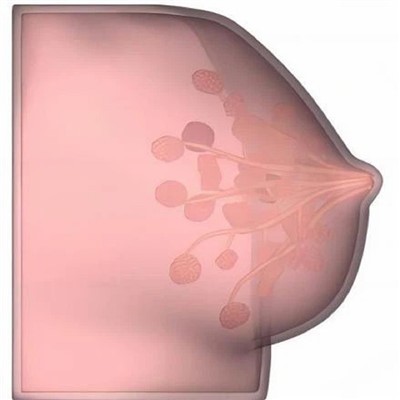
First things first, understand what you need. Think about your model’s purpose. Are you developing a model to detect specific diseases, like breast cancer or liver tumors? Or maybe you’re aiming for general anatomical structure recognition. Knowing your goal will help you narrow down the type of data you need. For instance, if you’re focusing on breast cancer detection, you’ll want a dataset with high – resolution ultrasound images of breasts, including both normal and cancerous cases.
The quality of the dataset is non – negotiable. High – quality images are clear, well – labeled, and have consistent settings. Blurry or poorly labeled images can lead to inaccurate models. When it comes to ultrasound images, factors like the type of ultrasound machine used, the settings (such as gain, depth, and frequency), and the patient’s body position can affect image quality. Make sure the dataset you choose has standardized acquisition protocols.
Another important aspect is the size of the dataset. Generally, a larger dataset is better. A bigger dataset gives your model more examples to learn from, which can improve its generalization ability. However, collecting a large dataset can be time – consuming and expensive. So, you need to find a balance. If you’re just starting out, you might be able to get away with a smaller dataset, but as you refine your model, you’ll probably want to expand it.
Diversity is also key. Ultrasound images can vary widely depending on the patient’s age, gender, body mass index (BMI), and the specific anatomical region being imaged. A diverse dataset that includes images from different patient demographics and anatomical variations will make your model more robust. For example, if your dataset only contains images of young, thin patients, your model might not perform well on older, heavier patients.
Now, let’s talk about data labeling. Accurate labels are essential for supervised learning, where your model learns from labeled data. In the context of ultrasound guided imaging, labels could indicate the presence of a disease, the location of an anatomical structure, or the stage of a condition. The labeling process should be done by experienced professionals, such as radiologists or ultrasound technicians, to ensure accuracy. Make sure the dataset you’re considering has well – defined and consistent labeling.
Accessibility and licensing are practical considerations. You need to be able to access the dataset easily and legally. Some datasets are publicly available, while others require a license or purchase. Check the terms of use to make sure you’re allowed to use the data for your training purposes. It’s also a good idea to consider the format of the dataset. Make sure it’s in a format that your training software can handle.
When evaluating a dataset, do some exploratory analysis. Visualize the images, check the distribution of labels, and look for any outliers or artifacts. This can give you a better understanding of the dataset’s characteristics and help you identify any potential issues. You can also try training a small, simple model on a subset of the data to see how well it performs.
As a supplier of training models for ultrasound guided imaging, I’ve seen a lot of different datasets. Some are great, and others not so much. I’ve learned that taking the time to carefully select the right dataset is worth it in the long run. It can save you a lot of time and effort in debugging and improving your model later on.
If you’re struggling to find the right dataset for your ultrasound guided imaging model, don’t worry. We’re here to help. We have access to a wide range of high – quality datasets that are suitable for training various types of models. Our team of experts can also assist you in evaluating and selecting the dataset that best fits your needs. Whether you’re a research institution, a medical device company, or a startup, we can provide the support you need to develop a successful model.

So, if you’re interested in learning more about our datasets and how they can benefit your model training, don’t hesitate to reach out. We’re always happy to have a chat and see how we can work together to take your ultrasound guided imaging models to the next level.
Rapids Test References:
- Smith, J. (2020). Best Practices in Medical Imaging Dataset Selection. Journal of Medical Imaging Research, 15(2), 45 – 53.
- Johnson, A. & Lee, B. (2021). Impact of Dataset Diversity on Ultrasound Model Performance. Medical Imaging Technology Review, 22(3), 78 – 85.
- Brown, C. (2019). Data Labeling in Ultrasound Imaging for Machine Learning. International Journal of Medical Ultrasound, 12(4), 112 – 120.
Hangzhou Medvo Co., Ltd.
As one of the most professional training model for ultrasound guided manufacturers and suppliers in China, we’re featured by quality products and good price. Please rest assured to buy advanced training model for ultrasound guided made in China here from our factory. Welcome to view our website for more information.
Address: Room 1704, Building 1, Kaiyuan mingcheng, Shushan Street, Xiaoshan District, Hangzhou City. P.R of China
E-mail: sales@optimedvo.com
WebSite: https://www.hzoptimedvo.com/
