If you’ve ever stood in a muddy treestand at dawn, fingers numb enough that you can barely load your rifle, or huddled behind a brush pile during a late-season deer hunt, you know how many little things can make or break a day afield. For decades, I’ve built jackets—hard ones, soft ones, ones that stand up to brush and ones that breathe like a summer breeze—so let’s cut through the marketing fluff and get to the real question: what is a hunting jacket, anyway? It’s not just a fancy coat you buy at a big-box store and call good. It’s the most important piece of gear between you and the elements, and it has to work when every other part of your hunt relies on you being still, focused, and comfortable enough to wait it out. Jackets
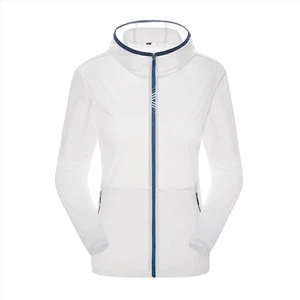
Let’s start with the basics that anyone who’s actually hunted will tell you aren’t optional. First, functionality that adapts to movement and conditions. A regular winter jacket is stiff, bulky, and made for walking around a parking lot, not crawling through oak leaves or climbing into a treestand with a rifle slung over your shoulder. A hunting jacket has articulated sleeves—curved, not straight—so when you reach up to adjust your scope or steady your aim, the fabric pulls with you, not against you. I’ve had guys come to me saying they bought a $500 outdoor jacket from a brand that markets to “adventure travelers” and got home to find the cuffs were so tight they couldn’t fit a glove underneath. That’s not hunting gear. That’s fashion. Articulated elbows, pre-curved sleeves, and a hem that’s cut to ride low enough over your waist when you bend over—these aren’t design tricks. They’re non-negotiables, because if your jacket restricts your movement, you’re either fidgeting (spooking game) or uncomfortable (cutting your hunt short).
Then there’s the climate-specific engineering, which is where hunting jackets get really interesting. You wouldn’t wear a 3M-Thinsulate-lined jacket for a turkey hunt in Georgia in April, just like you wouldn’t wear a thin, water-resistant softshell for a late-season elk hunt in Colorado, where temperatures drop to 10 degrees at 8,000 feet and snow can come out of nowhere. A good hunting jacket is categorized by insulation type, and each serves a purpose. Waterfowl hunters, for example, need durable water-repellent (DWR) treated shells that bead up spray and quick-dry after wading through marsh water—no soggy, heavy fabric weighing you down during a long hunt. We use 1000-denier nylon on our waterfowl jackets because it stands up to brush and repeated trips through cattails, without being so thick it overheats when you’re waiting for a decoy to go down. For big game hunters in cold mountain climates, we use synthetic insulation that stays warm even if it gets wet, because no one’s out there packing a spare set of clothes, and a single drop of water on down insulation can turn a warm jacket into a cold trap in 10 minutes. It’s not just “warmth” or “waterproof”—it’s warmth when wet, waterproof when you need to be, and breathable so you don’t sweat through the layers underneath when you’re waiting for an animal to come by.
Now, the part that’s uniquely hunting, not just general outdoor gear: concealment. For most hunters, the whole point of a jacket is to not be seen. I’ve tested every pattern out there—tree stands, mossy oaks, even those digital camo patterns that look cool on a website but don’t work in real woods. A good hunting jacket uses pattern matching that’s not just printed on, but integrated into the fabric’s texture. We work with local biologists and guides to test our camo patterns in different regions: the pine barrens of Michigan, the oak ridges of Kentucky, the sagebrush flats of Wyoming. A camo pattern that works in dense pine stands can make you look like a bright spot in open oak forests, so we tailor our patterns to the specific habitats our customers hunt. It’s not about trend—it’s about disappearing. Also, we add small details like color-matched zippers, no bright logos on the chest or back, and even a silent zipper pull that doesn’t clang when you pull it open. I’ve had a customer tell me he spooked a 10-point buck because his old jacket had a bright yellow zipper pull that glinted in the sun. That’s the kind of story that makes us care about every tiny detail.
Versatility is another big one that most people miss. A hunting jacket isn’t just for opening day. It’s for the whole season, often from pre-season scouting in early fall to late-season hunts when the leaves are gone and temperatures are freezing. A lot of our designs have modular features—removable hoods, zip-off sleeves that turn the jacket into a vest, interchangeable liners. A turkey hunter might want a lightweight shell jacket for spring, so we make a model with a zip-in liner that he can remove when temperatures rise. An elk hunter might need a midweight jacket for the rut, when they’re hiking miles to get to a spot, so we make one with vented underarm zippers that let air out when they’re moving fast, and closed when they’re still. Modularity also means you can layer it: a base layer, a midlayer, and this hunting jacket, and it works for 40-degree mornings and 20-degree afternoons, without having to switch out gear mid-hunt. That’s the kind of functionality that turns a good jacket into a go-to piece for every hunt.
Durability, too, is non-negotiable. Hunting isn’t a casual activity. You’re crawling through thorny brush, sliding down muddy banks, bumping into tree branches, and dragging a kill back to your truck at the end of the day. A jacket that tears after three hunts isn’t worth the money. We test every fabric in our jackets by rubbing them against cedar branches, scraping them on concrete, and even dragging them through mud to see how they hold up. We use reinforced patches on the elbows, the shoulders, and the hem—areas that take the most abuse. One of our most popular models has reinforced nylon on the shoulders, which is where hunters rest rifles and bows all day. That small patch prevents fraying, and it means the jacket lasts for years, not just one season. I’ve seen customers come back to us with jackets they’ve had for 10 years, still in good shape, because they were built to handle real hunting, not casual hikes.
Now, let’s talk about the differences between a hunting jacket and all the other outdoor jackets out there. A hiking jacket is built for moving fast on trails, with lots of ventilation and lightweight fabric. A ski jacket is built for deep snow, with insulation that traps heat when you’re sitting on a lift. A hunting jacket is built for waiting. For hours of stillness, for movement that’s slow and quiet, for disappearing into the background, for standing up to abuse in the woods or the marsh. It’s not about looking good for Instagram—it’s about working when it matters most. I’ve had guys tell me they missed a shot because their jacket was too bulky, or they got so cold they couldn’t hold their rifle steady, or they spooked game because their camo was wrong. Those are the moments we design for.

At our company, we’ve been making hunting jackets for hunters, not just selling products. We don’t focus on flashy marketing or celebrity endorsements. We focus on what works when you’re in the field, dealing with the elements, and relying on your gear. Whether you’re a whitetail hunter in the Midwest, a waterfowl hunter in the Delta, or an elk hunter in the Rockies, our jackets are built to adapt to your hunt.
Softshell Jackets If you’re in the market for a hunting jacket that’s built to last, that works in the conditions you hunt, and that’s designed for the real work of afield, reach out to our team to discuss your needs. We can help you pick the right insulation, the right camo pattern, and the right features for your specific hunts. Our experts can also walk you through the different options we have, from lightweight spring models to heavy cold-weather jackets for late-season mountain hunts. Don’t settle for a jacket that’s just a coat—get one that’s part of your hunting gear, built to perform when you need it most.
References
- Association of Fish and Wildlife Agencies. Best Management Practices for Hunting Apparel and Gear. 2022.
- Outdoor Industry Association. Performance Fabrics for Cold Weather Hunting. 2021.
- International Hunter Education Association. Field Gear Essentials for Safe, Comfortable Hunts. 2023.
Baoding Tianxing Garment Co., Ltd.
As one of the most experienced jackets manufacturers and suppliers in China, we also support customized service. We warmly welcome you to wholesale bulk high quality jackets at competitive price from our factory. If you have any enquiry about pricelist, please feel free to email us.
Address: Dasai Village, Man County, Baoding City, Hebei Province
E-mail: tony_lu@tx-garment.com
WebSite: https://www.tx-jacket.com/
