Hey there, fellow gearheads and anyone who’s ever had that sinking feeling when their engine makes a weird noise out of nowhere. Let me guess—you’ve been Googling “timing belt” because your mechanic mentioned yours is looking a little long in the tooth, or maybe you just want to avoid that total disaster story you saw on TikTok where a car’s valves got bent like pretzels. Yeah, I’ve been there too. As someone who’s been in the timing belt game for over a decade—like, I’ve packed so many of these things into boxes I could probably do it blindfolded—I can tell you: most timing belt failures aren’t random. They’re preventable, if you know what to look for and what to skip. Timing Belt
First off, let’s get one thing straight—timing belts aren’t “set it and forget it” parts. I know, I know, some old mechanics will tell you they last forever, but that’s never true. The engineers I work with (the real ones, not the ones who just draw pretty CAD files) will tell you every timing belt has a design lifespan, but how you treat it is what makes the biggest difference. I’ve seen belts blow at 40k miles and I’ve seen ones still going strong at 120k, same make, same model. Crazy, right? So let’s break this down like we’re talking over a beer, not a textbook.
1. Don’t Ignore the Recommended Replacement Interval—Seriously, It’s Not a Scam
I swear, this is the #1 mistake people make. Your car’s owner manual has a number—like 60k, 90k, even 100k miles for some newer models—and you’re gonna think, “My car runs fine, I’ll push it another 10k.” Bad call. Here’s why: timing belts are made of rubber, even if they have those tough fiberglass or aramid (that’s the same stuff as bulletproof vests) cords inside. Rubber degrades over time, even if you never drive the car. Heat, cold, humidity—all that crud eats away at it. I once had a customer bring in a car that had its timing belt replaced at 95k miles, but the old one was just sitting in his garage. It was cracked so bad it looked like a dried-up riverbed. He swore he didn’t drive it much. Nope, time gets you too.
Now, I know some people will say, “But my cousin’s friend’s car had 150k on the original belt and it was fine.” Cool, that’s a lucky one. I’ve seen way more cars where pushing it cost $3k in valve repairs. Let’s be real—replacing a timing belt is like an oil change, but for the engine’s most important part. It’s not cheap, but it’s way cheaper than fixing the mess when it snaps. Pro tip: if you’re buying a used car, don’t assume the timing belt was ever replaced. Ask for records, and if you can’t get them, budget for a replacement right away. I can’t tell you how many used car sellers lie about service records. I’ve seen it happen more times than I can count.
2. Use the Right Belt—Not That Cheap One From the Auto Parts Store Down the Street
Look, I get it—we all want to save a buck. But when it comes to timing belts, skimping on parts is a terrible idea. A lot of those no-name belts you can buy for $20? They’re made with junk rubber, no quality control. I’ve tested these (don’t tell my boss, but I sometimes sneak parts to test in my garage) and they crack in half the time of a name-brand belt. The thing is, timing belts have to be exactly the right length, have the right tooth profile, and withstand tension from the timing belt kit (wait, yeah—speaking of which…). If the belt is wrong, even a perfectly installed belt will fail.
I’m not just shilling for my own products here—though I will say, our belts are tested to meet OEM specs, so you know they’ll work. But skip the no-name stuff. Stick to belts that have the OEM part number, or reputable brands like Gates, Continental, or the ones we sell. Here’s a quick test: if the belt feels super light, or the teeth feel flimsy when you squeeze them, pass. Good belts have a solid feel, thick teeth, and the rubber isn’t sticky or smelly (that’s a sign of cheap chemicals).
Also, don’t mix and match parts. When you replace your timing belt, you need to replace the entire timing belt kit. That includes the tensioner, the idler pulleys, and sometimes the water pump. Wait, water pump? Yeah! Because if your water pump goes bad, it can leak coolant onto the timing belt, which eats away at the rubber. And if you’re already in there replacing the belt, why not do the water pump while you’re at it? It saves you the hassle and labor later. I had a customer a few months back who skipped the water pump, and 20k miles later, the pump seized, broke the new belt, and messed up his engine. He was mad, but I told him I warned him. Now he always gets the kit.
3. Keep It Clean—No Coolant, Oil, or Dirt Allowed
This is a big one that people never talk about. Timing belts aren’t supposed to get oily or wet. Oil, in particular, is a timing belt’s worst enemy. If your engine’s rear main seal is leaking, that oil will get on the belt, eat through the rubber, and cause it to slip or break. Coolant is almost as bad—if the water pump’s seal is bad, coolant drips onto the belt, makes it soft, and it can tear. Dirt and grime? They get in the teeth, cause friction, wear down the teeth, and make the belt slip.
So what do you do? Regularly check under your hood for leaks. Look at the timing belt cover (the plastic or metal thing that protects the belt) and see if there’s any oil or coolant on it. If there is, take your car to a mechanic and get it fixed. Don’t just ignore it—those leaks don’t go away on their own. Also, when you get a timing belt replacement, make sure the mechanic cleans the timing belt area before installing the new belt. Any old gunk left in there will mess up the new one. I’ve had mechanics tell me, “We don’t need to clean it,” but I always insist. I’d rather do the job right than have the customer come back in 10k miles with a broken belt.
Another thing: don’t let the timing belt get exposed to extreme temperatures. If you live in a place that’s super hot (like Arizona) or super cold (like Minnesota), that extra stress on the belt. Make sure the timing belt cover is intact—if it’s cracked, it’s not protecting the belt from temperature swings or debris. I had a customer who drove his truck without the timing belt cover for a month, and a rock got kicked up, chipped a tooth on the belt, and it broke a week later. Dumb, but avoidable.
4. Install It Right—Don’t Let the Mechanic Cut Corners
Even the best timing belt in the world will fail if it’s installed wrong. That means getting the timing marks exactly right—like, not even a tooth off. If the timing is off, your engine’s valves and pistons will hit each other (that’s the “interference engine” problem I mentioned earlier), and you’ll have a $3k mess. I’ve seen mechanics rush the job, skip aligning the marks, and then act like it’s the belt’s fault. No, it’s yours for hiring someone who doesn’t pay attention.
So when you’re getting a timing belt replacement, ask the mechanic to show you the timing marks. The good ones will have a diagram, and they’ll line up the crankshaft pulley, camshaft pulley, and any other pulleys exactly where they need to be. Also, make sure they use the correct tension on the belt. Too loose, and it’ll slip. Too tight, and it’ll wear out the bearings in the pulleys, which can make the belt fail. Tension is a weird thing—you can’t just guess. You need a tension gauge, and the mechanic should use one. If they say, “It feels tight enough,” walk away. That’s a red flag.
Also, if you’re the DIY type, I get it—some people love working on their own cars. But timing belts are not a beginner job. If you mess up the timing, you’re done. I’ve had a friend who tried to replace his own timing belt, aligned the marks wrong, and bent 8 valves. He had to tow his car to a shop and pay double to fix it. Save yourself the hassle—if you don’t know what you’re doing, hire a reputable mechanic. And if you do do it yourself, get a Haynes or Chilton manual, watch a bunch of YouTube videos, and take your time. No rushing.
5. Listen for Red Flags—Don’t Ignore Those Weird Noises
Your car talks to you, if you know how to listen. When it comes to timing belts, there are a few noises that mean something’s up. First, a high-pitched squeal when you start the engine. That could be the belt slipping, or the tensioner going bad. Second, a rattling noise coming from the front of the engine. That’s probably a bad idler pulley, which is putting extra stress on the belt. Third, if your check engine light comes on and the code says something about misfiring, that could be the timing belt slipping.
Don’t brush these off as “normal engine noises.” I once had a customer who said his car “sounded a little funny” but kept driving it. Two weeks later, his timing belt snapped, and he was stranded on the highway. He had to get a tow, and the repair cost was way more than if he’d just fixed the noise when it started. If you hear something off, get it checked. It’s better to be safe than sorry.
Another thing: if your car is running rough, or you notice a drop in gas mileage, that could be a sign of a timing belt issue. Because if the timing is off, the engine isn’t burning fuel efficiently. So don’t just fill up your tank and forget about it—pay attention to how your car drives. Small signs can lead to big problems.
Hey, I know this sounds like a lot, but it’s all common sense. Timing belt failures don’t have to be a nightmare. Most of them are preventable if you do the basics: follow the replacement interval, use good parts, keep the area clean, get it installed right, and listen to your car.
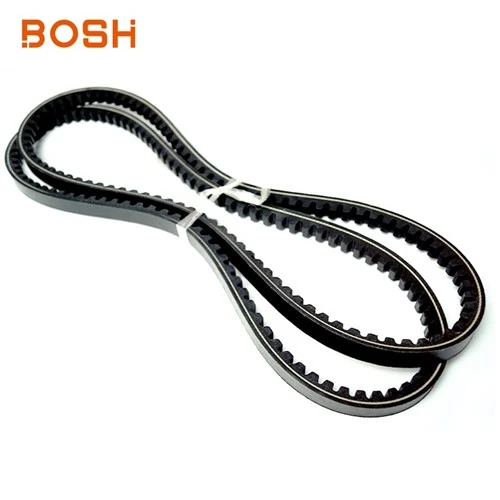
Now, if you’re in the market for a new timing belt, or you have questions about which one is right for your car, we’re here to help. We’ve got a wide range of belts for all makes and models, all tested to meet OEM standards. Whether you’re a mechanic, a DIYer, or just someone who wants to keep their car running, we can hook you up. Hit us up to chat, and we’ll help you find exactly what you need. No pushy sales stuff, just honest advice from people who know timing belts inside and out.
References
Timing Belt Automotive Aftermarket Suppliers Association. (2022). Timing Belt Maintenance Best Practices. AASA Technical Bulletin.
Gates Corporation. (2023). Timing Belt Lifespan and Care Guide. Gates Automotive Engineering Reports.
Society of Automotive Engineers. (2021). Rubber Component Degradation in Automotive Underhood Environments. SAE International Journal of Materials and Manufacturing.
Xingtai Boshuo Auto Technology Co., Ltd.
Xingtai Boshuo Auto Technology Co., Ltd. is one of the most professional timing belt manufacturers and suppliers in China, featured by quality products and low price. Please rest assured to wholesale bulk customized timing belt made in China here from our factory. Welcome to contact us for pricelist and free sample.
Address: No. 58 Quannan East Street, Xiangdu District, Xingtai City, Hebei Province
E-mail: sherry1@bs-belt.com
WebSite: https://www.bsbelts.com/
