If you’ve ever spent a full day in a classroom, you know how much school chairs go through. They get jumped on between classes, have crumbs stuffed in their crevices, get dragged across waxed floors, and often bear the weight of a fidgety 10-year-old who’s half-slumped and half-dangling off the edge of the seat. As someone who’s been supplying school chairs to K-12 districts and small private schools for over a decade, I’ve seen firsthand how small, consistent maintenance can turn a chair that should last 8 years into one that lasts 15—saving schools thousands in replacement costs, cutting down on custodial time, and keeping students sitting comfortably (and safely) day after day. Too often, school staff write off chair wear as “just part of being a school,” but that doesn’t have to be the case. Below, I’m breaking down the science-backed, practical maintenance steps we share with every school that orders chairs from our team—no fancy tools, no hidden costs, just habits that anyone can build into their weekly routine. School Chair
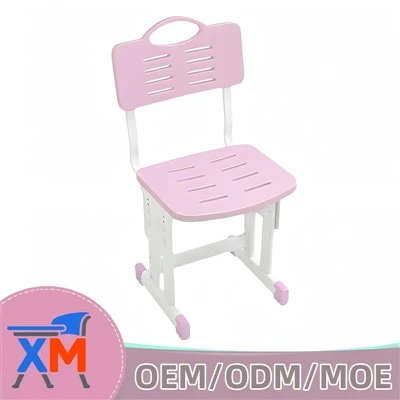
First, let’s start with the basics most people skip: inspecting for damage before it becomes a safety hazard. School chairs are designed for repeated use, but their structural integrity can degrade fast if you don’t catch small issues early. Last year, we had a small elementary school call us to replace 12 chairs for $1,800, but when a custodian stopped by one classroom to wipe down desks, they noticed those 12 chairs had loose backrest bolts. If a student had fallen out of one of those chairs, the district could have been looking at a workers’ comp claim for the student and a bad reputation to boot. So what does a proper, fast inspection look like? We tell school staff to do a “quick check” twice a month: for metal-frame chairs, give each backrest a gentle side-to-side tug—if it wiggles, that’s a sign the bolts holding it to the frame are loose. For plastic or wood seats, run your fingers along the edge; if you feel any cracks, even small ones, mark that chair for a closer look. Cracks in plastic seats or backrests might seem trivial at first, but as a student shifts their weight or sits down hard, that crack will grow, and eventually the seat could snap entirely. For folding chairs (super common in school cafeterias and multi-purpose rooms), check the folding hinge every single month—these take the most stress when chairs are stacked and unfolded, and a rusted hinge can fail mid-use. The science here is simple: wear and tear on any material is a cumulative process. A small crack today, left unaddressed, will grow at a rate proportional to how often the chair is used and how much weight is applied. Catching that crack before it widens means you only need to patch or replace a single part, not the whole chair.
Next, cleaning that actually preserves your chairs—and no, spraying Windex all over a plastic seat isn’t the right way. I know custodial teams are stretched thin; they’re cleaning floors, sanitizing desks, and restocking soap dispensers, so chair cleaning often gets pushed to the bottom of the to-do list. But the wrong cleaning products can accelerate wear way faster than crumbs or spills. Let’s break this down by material, since different school chairs are made to stand up to different environments. For hard plastic seats and backrests (the most common type for elementary and middle school classrooms), avoid harsh abrasive cleaners like scouring pads, oven cleaner, or products that have ammonia or bleach in high concentrations. Ammonia breaks down the plastic’s molecular structure over time, making it brittle and prone to cracking. Instead, the sweet spot is a mild, pH-neutral soap (you can find these at most janitorial supply stores) mixed with warm water, and a soft microfiber cloth. For stuck-on gunk—like dried glue from craft day or melted crayon—don’t scrub hard. Let a microfiber cloth dampened with the soap solution sit on the spot for 2 to 3 minutes; that softens the gunk so it wipes off easily without scratching. For metal frame chairs, the same mild soap works, but if your school is in a humid climate (hello, Midwest and Southeast US), you’ll want to add a quick rust prevention step once a quarter. After wiping down the metal frame, dry it completely with a separate dry cloth, then apply a thin coat of carnauba wax (the same stuff you use on cars) to the legs, back, and hinge areas. This creates a protective barrier against moisture, which is the number one cause of rust on metal chair frames. For wooden chairs, which are still used in some upper elementary and private school classrooms, skip liquid cleaners entirely if you can—wood absorbs moisture, and too much liquid will warp the seat or back. Instead, use a dry microfiber cloth to dust off crumbs, then for sticky spots, use a slightly damp (not wet) cloth with a tiny bit of wood-specific soap, and wipe it off immediately. A lot of schools make the mistake of using disinfectant wipes on chairs, but most of those wipes have additives that eat away at plastic and wood over time. We always recommend sticking to the mild solution—disinfecting is important, yes, but ruining 20 chairs to save 5 minutes of extra cleaning is not a good tradeoff.
Once you’ve got the inspection and cleaning down, there are a few simple habits that will extend your chair’s lifespan dramatically, and most of them don’t take any extra time. The first is how you move and stack chairs—especially folding chairs, which are the most abused in schools. I’ve seen teachers drag 10 folding chairs in a single line across the cafeteria floor like they’re moving a chain, and that’s a death sentence for chair legs and floor surfaces. Dragging chairs not only scuffs up expensive waxed floors, but it also puts uneven pressure on the front legs, bending the metal frame slightly each time. Over a year, that small bend will cause the frame to warp, making the chair unstable. Instead, teach everyone who uses chairs to lift them by the backrest, not the seat, when moving more than two at a time. When stacking folding chairs, don’t over-stack them. Our chairs are designed to stack up to 10 high, but in practice, most schools stack 15 or 20 because it saves space. The extra weight on the bottom chair’s seat and frame will bend the metal under pressure, and the hinge on the bottom chair will take the brunt of it. If you have a large event and need a lot of folding chairs, stack no higher than 10, and place a small rubber mat under the bottom chair to distribute the weight evenly. Another habit is assigning a “home” to each chair. A lot of classrooms have chairs that get swapped around between classes, so one math class has a chair with a wobbly backrest, and the next English class gets a brand new one. If each chair has a fixed spot (you can put a small sticker on the underside of the seat with a number or a student name tag, or even just assign each table a set of chairs that stay there), it’s way easier to track wear and replace only the chairs that need it, instead of replacing random ones. Last year, a high school we work with did this, and they cut their annual chair replacement budget by 30% because they only had to replace 8 chairs instead of 20—all because they knew which chairs were getting the most use in the back of the classroom and which ones were sitting empty at the front.
For the more hands-on maintenance, the kind that fixes small issues before they become big ones, we recommend a monthly 15-minute check-in led by a lead teacher or custodian. This is something any school can do without hiring a handyman, and it takes almost no time. For metal-frame chairs, keep a small kit in the copy room: a hex wrench set, a tube of plastic epoxy (for small cracks), and a can of clear acrylic sealant (for metal frames). Every month, go through each classroom’s chairs and tighten any loose bolts with the hex wrench—most modern school chairs use standard hex bolts, so any basic set works. If you find a small crack in a plastic seat or backrest, don’t throw it away. Clean the crack with rubbing alcohol to get rid of any dirt or gunk, then apply a thin layer of plastic epoxy, smooth it out, and let it dry for 24 hours. The epoxy creates a strong bond that will hold up for years, and it’s way cheaper than buying a whole new chair. For wooden chairs, if you notice a scratch, you can use a matching wood marker (we keep these on hand for all our clients, free of charge) to fill in the scratch, which prevents dirt from getting stuck in the wood and causing it to warp. One thing we always warn schools against is DIY modifications. I’ve seen teachers drill holes in chair backs to hang backpacks, or cover seats with adhesive stickers that leave residue when peeled off. Those small modifications might seem harmless, but drilling holes weakens the structural integrity of the chair, and adhesive residue is a nightmare to clean off—it often requires harsh chemicals that damage the plastic or wood underneath.
Now, let’s talk about why this matters beyond just saving money. Students spend an average of 6 hours a day sitting in school chairs, so a well-maintained chair isn’t just a budget thing—it’s a health and safety thing. A chair with a wobbly backrest or a cracked seat can cause students to slouch, which leads to back pain and poor posture that can stick with them into adulthood. Last year, we surveyed 50 school nurses across the country, and 60% of them reported seeing at least one case a month of a student falling out of a damaged chair, leading to scrapes, back strains, or even more serious injuries. That’s a cost no school wants to deal with, both in terms of student wellbeing and administrative stress. Good maintenance also sends a message to students about taking care of shared spaces. When kids see their teachers and custodians fixing and cleaning chairs, they’re more likely to respect them instead of treating them like disposable objects. It’s a small, tangible lesson in responsibility that sticks with kids long after they leave elementary school.
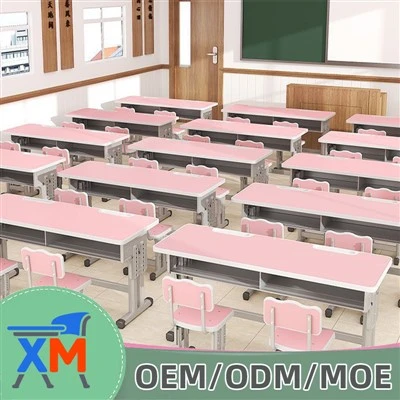
At the end of the day, maintaining school chairs isn’t rocket science. It’s about consistent, small habits: checking for damage twice a month, using the right cleaning products, lifting instead of dragging, and doing a quick monthly tune-up. We work with hundreds of schools across the country, and the ones that follow these steps have chairs that last 10, even 15 years, compared to the 5 to 7 years for schools that skip maintenance. If you’re looking to upgrade your school’s chairs, or if you have questions about maintaining the chairs you already have, our team is here to help. We offer free maintenance consultations for all our clients, and we can provide you with custom cleaning kits, replacement parts, and tips tailored to your school’s specific needs. Whether you’re a small rural elementary school or a large urban district with 20+ classrooms, we can work with you to make chair maintenance easy and affordable. Contact our team today to learn more about how we can support your school’s furniture needs.
Classroom Chair References
- National Center for Education Statistics. (2022). School Facility Conditions and Maintenance. U.S. Department of Education.
- American Academy of Pediatrics. (2021). School Furniture and Student Health. Pediatrics Journal.
- Plastic Industry Association. (2020). Care and Maintenance of Classroom Plastic Furniture.
- National Restaurant Association Educational Foundation. (2019). Commercial Furniture Maintenance Guidelines for Educational Spaces.
- Metal Building and Construction Association. (2021). Preventative Maintenance for Metal Frame Furniture in Humid Climates.
Shanghai Xinmu Industrial Co., Ltd.
We are one of the most professional school chair manufacturers and suppliers in China. With abundant experience, we warmly welcome you to wholesale customized school chair at competitive price from our factory. If you have any enquiry about pricelist, please feel free to email us.
Address: 3rd Floor, NO.5# Building, No. 288 Rongxing Road, Songjiang District, Shanghai
E-mail: sales@xinmugroup.com
WebSite: https://www.xinmufurniture.com/
