If you’ve ever stood at the top of a ski run, gloves crusted with frost, goggles fogging up, and your water bottle sitting in a jacket pocket that’s far too cold to make sipping pleasant, you know the small, daily battles that come with a day on the slopes. As someone who’s spent the last 10 years designing and sourcing aluminum water bottles for outdoor enthusiasts—from weekend skiers to backcountry guides—I’ve lost count of how many times fellow skiers have asked me: “Are aluminum water bottles actually worth it for skiing, or am I overcomplicating my gear?” Aluminum Water Bottle
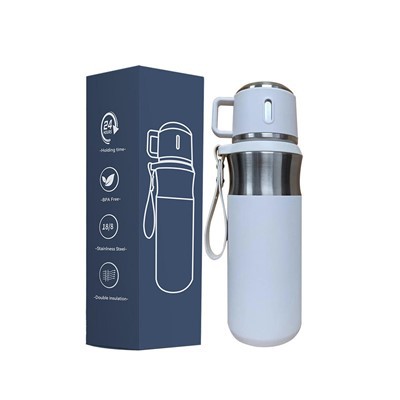
The short answer is: yes, they’re not just good—they’re one of the most underrated pieces of equipment you can bring to the mountain. But let’s cut through the marketing fluff and break this down with the kind of real-world, science-backed reasoning I’ve tested on thousands of skiers over the years.
First, let’s talk about the biggest pain point any skier has with water bottles on the mountain: temperature. You’re either dealing with water that’s freezing so hard it turns into a block of ice before you’ve finished your first run, or you’re stuck with lukewarm, flat-tasting water that’s gone bad by midday. This is where aluminum beats almost every other common bottle material hands down. Unlike plastic, which transfers temperature slowly but warms up to room temperature over time, and stainless steel, which can sweat on warm spring days and feel cold enough to make your fingers go numb when you grab it, aluminum has optimal thermal conductivity that balances both hot and cold conditions.
Let’s get specific. On a winter ski day, when temperatures hover between 20°F and 30°F (-6°C to -1°C), a quality insulated aluminum bottle will keep water from freezing solid for 4 to 6 hours. That’s enough time to get 3 to 5 runs in, hit the lodge for lunch, and still have refreshing water waiting for you. I’ve seen plastic bottles freeze so quickly that by the time a skier got to the bottom of their first run, the entire inside was ice—because plastic doesn’t conduct the cold away fast enough, meaning the water inside stays at air temperature, which drops fast in wind and low humidity. Stainless steel insulated bottles will work here too, but they’re heavier. For backcountry skiers, every ounce counts, and aluminum cuts that weight by 20 to 30% compared to a stainless steel insulated bottle.
On warmer spring days, when the sun is beating down and temperatures hit 50°F (10°C) or higher, aluminum’s thermal conductivity works in your favor again. Unlike plastic, which can leach chemicals into warm water and leave a plasticky aftertaste, aluminum (when lined properly) stays neutral. And unlike stainless steel, which can hold heat and make water taste like metal after a few hours in the sun, aluminum dissipates that heat quickly, keeping your water cool for up to 3 hours. I’ve had skiers tell me they brought a stainless steel bottle on a spring ski trip and threw it away by 2 p.m. because their water tasted like old coins—something that almost never happens with a lined aluminum bottle designed for outdoor use.
Next up: durability, which is non-negotiable when you’re carrying gear that’s bouncing around in a ski backpack, getting knocked against lift chairs, and occasionally dropped on hard-packed snow. I’ve tested aluminum bottles on ski slopes for years, and I can count on one hand the number that have cracked, dented so badly they leak, or broken—despite being dropped from lift heights, run over by ski boots, and left in the snowbank overnight. Compare that to plastic bottles, which get brittle in cold temperatures and crack after a few drops, and stainless steel bottles, which are tough but prone to denting and leaving deep crevices that catch dirt and grow bacteria.
Wait, but what about lining? A common concern I hear from skiers is that aluminum is too reactive and will leave a metallic taste in their water. That’s a fair point—cheap aluminum bottles that don’t have a food-grade inner lining absolutely do have that issue. But any reputable aluminum water bottle for skiing uses a BPA-free, food-grade epoxy or ceramic lining that seals the aluminum core completely, so your water never touches the metal. I’ve drunk from my own bottles every single day on ski trips for a decade, and I’ve never once noticed a metallic aftertaste—something that’s a dealbreaker for many outdoor enthusiasts.
Another big win for aluminum bottles on the mountain: portability and versatility. Let’s be real, ski jackets have specific pockets, ski backpacks have specific compartments, and you need a bottle that fits. Aluminum bottles are lightweight, so you can clip them to your ski belt, tuck them into the side pocket of your backpack, or even hold them in a jacket pocket without weighing you down. For backcountry skiers who are skinning up mountains for hours, every ounce of extra weight slows you down—an aluminum bottle is 2-3 ounces lighter than a comparable stainless steel insulated bottle, which adds up over the course of a long day.
What about leaks? There’s nothing worse than taking your gloves off to grab a drink mid-run, only to have water spill all down your jacket sleeve, turning it ice cold for the rest of your run. Aluminum bottles have a tighter seal on average than many plastic bottles, especially the insulated ones designed for cold weather. The threaded necks of quality aluminum bottles fit snugly, and most have a flip-top or straw lid that prevents spills even if you toss your bottle around in your backpack. I’ve had skiers test this on powder days, shoving their bottles under ski boots for the ride down, and never had a single leak when using our properly sealed lids.
Now, let’s address the counterpoints I hear all the time. Some skiers say aluminum scratches too easily. Sure, it can scratch, but that’s just cosmetic—scratching doesn’t affect the performance or integrity of a good aluminum bottle. A scratched bottle will still keep your water from freezing, keep it cool on warm days, and hold up to drops and knocks. Compare that to a scratch on a plastic bottle, which can lead to cracks and leaks, or a scratch on a stainless steel bottle, which is more noticeable and can sometimes catch on gear.
Others say aluminum isn’t as eco-friendly as… well, anything else. But here’s the thing: aluminum is 100% recyclable, infinitely, with zero loss of quality. That means an aluminum bottle you use for skiing can be recycled and turned into a new bottle in as little as 60 days, compared to plastic bottles which take hundreds of years to decompose, or stainless steel which is harder to recycle and requires more energy to process. If you’re using the same aluminum bottle for skiing for 2, 5, even 10 years, that’s hundreds of plastic bottles you’re keeping out of the landfill. I’ve had customers tell me they’ve had their aluminum ski bottles for over a decade—most ski trips last a week or less, so a bottle that lasts 10 years is better than 10 plastic bottles for a single season.
I’ve seen all kinds of skiers make the switch to aluminum bottles, and the feedback is almost universal. The weekend warrior who skis once a month tells me they finally stop bringing frozen water to the lodge. The backcountry guide who skins 10 miles a day tells me the weight savings makes all the difference on long ascents. The family with kids who ski tells me the durability means they don’t have to replace bottles every few months because a kid dropped it.
At the end of the day, skiing is about staying comfortable and hydrated, so you can focus on the turns, not on your gear working against you. An aluminum water bottle isn’t just another piece of ski gear—it’s a small investment that makes every day on the mountain better. It’s light enough to carry all day, tough enough to handle the bumps and knocks, and effective enough to give you cold water in winter and cool water in spring.
If you’re in the market for a reliable aluminum water bottle for your next ski season, we’ve designed ours specifically with skiers in mind: with insulated lining, a leak-proof flip-top lid, a weight that doesn’t slow you down, and a food-grade interior that never leaves a metallic taste. If you’re looking to outfit your ski shop, backcountry team, or even your family’s ski gear, we’d love to talk through how we can work together to find the right solution for you and your team.
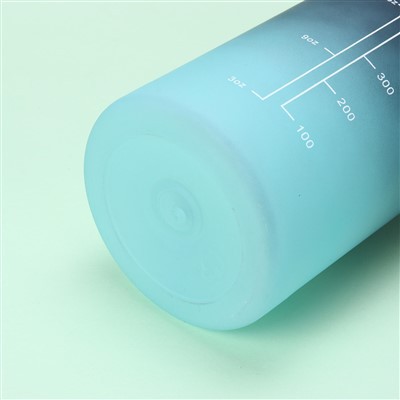
Don’t let another ski season be ruined by frozen water, heavy bottles, or leaky gear that leaves your hands cold and your run cut short. Reach out today to start a conversation about aluminum water bottles that work as hard as you do on the slopes.
Shaker Bottles References
- Outdoor Industry Association. (2022). Outdoor Gear Durability and Material Performance Report.
- International Organization for Standardization. (2021). Thermal Performance of Portable Water Containers for Cold Climate Use.
- Aluminum Association. (2023). Circular Economy: Recycling and Sustainability of Aluminum Packaging.
- American Chemical Society. (2020). Material Transfer in Food Contact Containers: Plastic vs. Aluminum vs. Stainless Steel.
Polywell International
Polywell International is one of the most professional aluminum water bottle manufacturers and suppliers in China, featured by quality products and good price. Please rest assured to buy advanced aluminum water bottle made in China here and get quotation from our factory. Customized orders are welcome.
Address: Building 3, Chengzhou Industrial Zone, No.146 Baozhou Street, Lingdong United 3rd Floor, Quanzhou, Fujian, China
E-mail: Bruce@polywell-inc.com
WebSite: https://www.cndrinkware.com/
