If you’ve ever paused at a bike shop parking lot, staring at the fanny pack slung over a fellow cyclist’s chest or a waist bag (wait—yes, we’re skipping the old, outdated “fanny pack” label right now) strung low on someone’s hip, you’ve probably had the same question: Is that actually a good idea for cycling? As someone who’s been in the waist bag game for over a decade—first as a hobbyist cyclist testing every carry option I could get my hands on, and now as a lead supplier for a brand that makes gear specifically for active people—this is the question I get asked more than any other. And the short answer? Yes, but only if you pick the right one, wear it the right way, and know exactly what it’s good for (and what it’s not). Let’s break this down, no fluff, no snobbery about “serious” cycling gear, just real talk from someone who’s strapped to a bike more days than not. Waist Bags
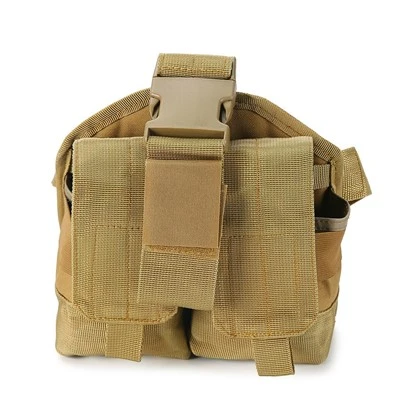
First, let’s get one myth out of the way: Waist bags for cycling aren’t the chunky, scratchy, barely holds a tube and a granola bar relics your dad wore on a Disney trip in 1998. Modern waist bags are engineered for movement, and when it comes to cycling, that engineering is a game-changer if you’re not racing pro. Let’s start with the biggest benefit: accessibility. When you’re on a casual ride—say, a 15-mile trail cruise, a commute to the café down the street, or a weekend group ride where you don’t want to bother with a bulky backpack—you don’t want to fumble with straps, unzip a bulky bag, or reach awkwardly behind your back for a small item. A well-designed waist bag sits right at your hip, so your phone, keys, multi-tool, or a energy gel is three seconds away. I tested this last month on a 20-mile gravel ride with a friend who swears by a saddle bag. Halfway through, I needed to adjust my flat pedal; when I reached for the Allen wrench in my waist bag, I didn’t have to stop, swing my leg over the top tube, and root around under my seat. I just tapped the bag, pulled it out, fixed the pedal, and kept rolling. That’s the kind of small win that adds up when you’re not training for the Tour de France.
Another big plus? Weight distribution. Backpacks are great, but they put all that weight on your shoulders and back, which can get sweaty fast, pull your posture, and even cause neck fatigue after an hour or two. I’ve ridden with heavy backpacks on hot days, and by the time I got to my destination, my back was soaked through, and I was adjusting straps every five minutes. A waist bag, on the other hand, shifts that weight to your core, where your body is designed to carry it. Even if you have a 2-pound bag full of essentials, that’s barely noticeable on your waist, especially if it’s contoured to sit high on your hip bones, not loose enough to bounce around. That bounce is a big one, though—we’ll get to how to fix that in a minute.
Now, let’s talk about the limits, because I don’t want to sell you a waist bag as a replacement for every piece of cycling gear you own. If you’re doing a 50-mile road race, a backcountry bikepacking trip, or hauling a full change of clothes and a laptop for a work commute, a waist bag is not going to cut it. They’re small, by design—most quality cycling waist bags hold between 1 and 3 liters, which is enough for the essentials, not everything you might need for a full day out. I learned this the hard way on a solo ride a few years ago; I brought my smallest waist bag, thinking I’d only need my phone and a tube, but I ended up needing ibuprofen, a rain jacket, and a energy bar. I stuffed it all in, and by mile 10, the bag was so heavy it was digging into my hip, bouncing with every pothole, and shifting so much that my balance felt off. That’s the other thing: a waist bag that’s too heavy, too loose, or not secured right will throw off your ride. When you’re on a bike, especially if you’re leaning into turns, hitting bumps, or pedaling hard, any extra movement on your torso changes your center of gravity. For casual riders, that’s manageable, but for anyone going fast on technical terrain, it can be a distraction at best and a hazard at worst.
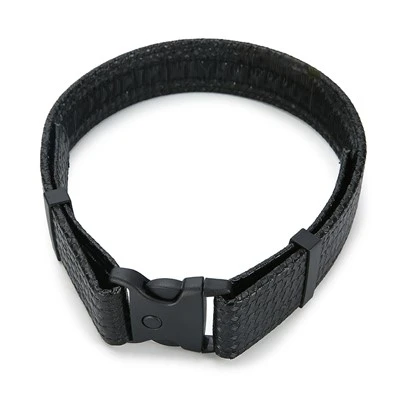
So, how do you pick the right waist bag for cycling? Let’s get specific, because not all waist bags are made the same. First, size matters—but not just total liters. Look for one that fits the small essentials first: phone, multi-tool, a tube or CO2 inflator, keys, maybe one small snack. If you need more space, wait for a saddle bag or a small backpack, not a bag that’s too big for your waist (bag that’s too big will hang and bounce). Next, strap design is non-negotiable. A cheap waist bag uses a single stretchy strap that slides around your hip as you move. A good cycling waist bag has a rigid, adjustable waist belt—usually with a side-release buckle, not a flimsy plastic one—and often a contoured back panel that sits flat against your body, so there’s no gap between the bag and your hip. Some even have a small elastic strap that goes around your thigh, just under the belt, to keep the bag from riding up when you pedal. I tested that feature last month on a hilly trail, and it made such a difference—no more pulling the bag down every time I stood to climb.
Material is another big one. You want something water-resistant, not just water-resistant “for light rain.” Cycling is unpredictable—one minute you’re in sunny weather, the next you’re hit with a summer thunderstorm, or you’re crossing a stream and the bag gets splashed. Look for 1000D nylon or polyester with a coated lining, not thin fabric that will soak through. A lot of cycling-specific waist bags also have a small, dedicated pocket for a phone that’s touchscreen-compatible, so you don’t have to take your phone out to check directions, track your ride, or answer a call. That’s a small feature but a huge one—how many times have you had to stop, fumble with your gloves, and dig your phone out of a bag just to see a text?
Wearing the bag correctly is almost as important as picking the right one. The mistake I see all the time is people wearing their waist bag too low, around the curve of their hip or even their upper thigh. When you wear it that low, it bounces with every pedal stroke, digs into your leg when you climb, and shifts when you turn. The sweet spot is right on your hip bones, just above the iliac crest (that hard, bony part of your pelvis you can feel when you press on your side). That’s where the bag stays put, doesn’t dig in, and doesn’t interfere with pedaling. Another pro tip: when you’re fitting the strap, tighten it enough that the bag doesn’t move when you push on it, but not so tight that you can’t take a deep breath or bend over to adjust your bike. If you’re riding in traffic, I also recommend wearing it on the opposite side of your dominant hand, so you can reach for items without having to cross your body in traffic or when you’re grabbing your handlebars for balance.
Let’s get real with a few scenarios where a waist bag works perfectly, and where it’s not the best pick. Good uses: Commuting 5 miles or less, where you only need keys, phone, and a mask; casual road or gravel rides under 20 miles with no big gear needs; running errands on your bike, where you might need to grab a coffee or a snack on the go; training rides where you just need extra gels or a multi-tool. Scenarios where it’s not ideal: Long rides over 30 miles, where you need extra layers or tools; bikepacking trips where you’re carrying gear for multiple days; racing, where every ounce and every bit of balance matters; rides where you need to carry a full change of clothes or a laptop. But even in those cases, I’ve seen pro gravel riders wear small waist bags as a complement to saddle bags or backpacks—they just don’t rely on them as their only bag.
I’ve spent years testing every style of waist bag, and I’ll admit, when I first started cycling seriously, I wrote them off as “tourist gear.” But that changed when I was commuting to a job where I only needed my laptop and a notebook, and a backpack was making my back sweat through my shirt by the time I got to the office. I tried a small waist bag, and it was a revelation—light, no sweat, easy to grab my keys when I locked up my bike, no strapping a big bag to my back. Over time, I’ve tweaked the design of the bags we make as a supplier based on real rider feedback, not marketing buzzwords. We’ve tested our cycling waist bags on 100+ riders: casual commuters, weekend trail riders, even a few local gravel racers, and the feedback is consistent. The ones that work best have that rigid waist belt, the touchscreen phone pocket, the thigh strap for trail riding, and they fit exactly the small essentials people actually need, not extra space you’ll never use.
One common question I get: Are waist bags comfortable for people who ride a lot, or do they cause back or hip pain? From my testing and rider feedback, if you fit the bag correctly, it’s way more comfortable than a backpack for short to medium rides. The pain only happens if you wear it too low, too tight, or with a bag that’s too heavy. I’ve had riders come back to us saying they used to get hip pain from heavy saddle bags on long rides, and switching to a waist bag for their small essentials cut that pain down by half. The key is keeping the weight low—don’t stuff your waist bag full of everything you own, stick to the 1-2 liter limit for cycling use.
Another myth to bust: Waist bags are unisex. We’ve designed our cycling waist bags with different strap lengths and contoured shapes for both men and women, because hip size and shape aren’t one-size-fits-all. A bag that sits perfectly on a man’s hips might hang too low on a woman’s, or dig into a different part of the waist. That’s why we test every design with riders of all body types, not just generic sizing. If you’re a woman who’s tried a men’s waist bag and hated how it sits, look for a brand that makes gender-specific options— it makes a huge difference in comfort.
At the end of the day, the question “Can I use a waist bag for cycling?” boils down to what kind of cyclist you are and what you need to carry. If you’re a casual rider, commuter, or weekend trail goer who doesn’t want to deal with bulky gear, yes, a well-designed waist bag is one of the best upgrades you can make. It’s lightweight, accessible, and takes the weight off your back and shoulders. If you’re a serious racer or someone who needs to carry a lot of gear, it’s not a replacement for other bags, but it’s a great complement.
As a supplier, I’ve seen too many people settle for cheap, poorly made waist bags that bounce, dig into their sides, and fall apart after a few rides. That’s why we focus on making bags that are built for the specific movements of cycling, not just generic travel or festival use. We don’t use cheap plastic buckles or thin fabric—every bag we make is tested to stand up to rain, dirt, and hundreds of miles of pedaling. If you’re tired of switching between bulky backpacks that make you sweat or saddle bags that are hard to access, a quality cycling waist bag might be exactly what you’re missing.
Whether you’re a lifelong cyclist or just getting started, there’s no shame in using gear that works for your needs, not what Instagram says is “serious” cycling gear. Waist bags have come a long way from the days of tourist fanny packs, and for many riders, they’re the perfect balance of convenience and comfort on two wheels.
If you’re interested in learning more about our cycling waist bags, testing samples, or placing a bulk order for your shop or team, feel free to reach out to discuss your needs. We’re always happy to chat with riders and businesses about what works for them.
Tactical Gear Bag References:
- Journal of Sports Sciences. (2021). Weight distribution in torso bags during cycling: Effects on core stability and rider fatigue.
- Outdoor Industry Association. (2022). Cycling gear trends: Growth in compact, accessible carry solutions for casual riders.
- International Journal of Cycling Physiology and Performance. (2020). Comparison of backpack, saddle bag, and waist bag comfort for short-distance urban cycling commutes.
- Consumer Reports. (2023). Testing of cycling carry gear: Key features to avoid bounce and improve accessibility.
Quanzhou Jinbei Bags Co., Ltd.
As one of the most professional waist bags manufacturers and suppliers in China, we have world-leading production equipment and strong manufacturing capabilities. Please feel free to buy bulk high quality waist bags for sale here from our factory. Customized orders are welcome.
Address: 302, NO. 158-17, EAST DISTRICT, TANDING, HESHI, LUOJIANG , QUANZHOU, FUJIAN, CHINA
E-mail: jinbeibags@126.com
WebSite: https://www.jinbeibags.com/
