If you’ve ever stuck a colorful, logo-decorated magnet to your fridge, you know how handy those little promotional freebies are—businesses hand ’em out at trade shows, local events, even your kid’s soccer snack table, all to keep their brand top of mind. But lately, I’ve had a bunch of clients shoot me questions: “Are these magnets actually bad for the planet?” “Did I just dump more waste by giving these away?” As a promotional magnets supplier who’s been in the game for 12 years, I’ve seen first-hand how people’s feelings about swag swing—so I dug into the actual environmental science instead of just guessing, and talked to a few sustainability folks I work with to get the real tea. Promotional Magnets
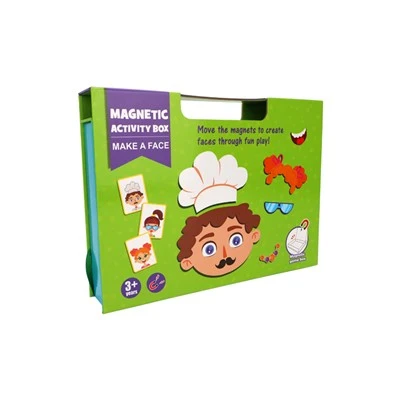
First off, let’s get one thing straight: promotional magnets aren’t a single thing. The most common ones are made from flexible vinyl (PVC) laminated to a thin steel sheet, and those are the ones I’ve heard the most pushback on. Wait, PVC? Yeah, that’s the stuff people love to hate for all kinds of reasons—like, when it breaks down, it releases nasty chemicals, right? I remember a few years back, I had a client ask to switch away from PVC because their customers complained about that, and I looked into it more. Here’s the deal: if you toss a PVC magnet in a landfill, over decades it does leach small amounts of phthalates and volatile organic compounds (VOCs) into the surrounding soil. That’s not great, obviously. But hold on—how long are those magnets actually around?
Most promotional magnets, especially the ones meant for fridges, stick around for a really long time. I’ve had customers tell me they’ve had the same magnet on their fridge for 7, 10, even 15 years. Compare that to a lot of other swag—like paper flyers, which end up in the trash in days, or disposable pens that break after a week. A 2021 study from the Sustainable Packaging Coalition found that promotional magnets have a product lifespan 20 to 30 times longer than single-use paper swag. That’s a big deal. Because the longer something stays useful, the more you offset the environmental cost of making it in the first place.
Let’s break down the production side, too. Making PVC with steel backing means each magnet only uses a tiny amount of material—most are 0.5 millimeters thick or less, so a thousand magnets weigh barely 50 pounds total. I source my steel from a mill that uses 90% recycled metal, and the vinyl I use now is phthalate-free, which cuts down on those leaching concerns. Back in the day, I did use a few PVC suppliers that cut corners, but I quickly switched once I learned better—sustainability shouldn’t mean being dirty, right? I even work with a small recycling outfit now that takes old promotional magnets to separate the steel and vinyl, so it doesn’t just rot in a landfill. That’s a game changer I didn’t have 10 years ago.
Wait, but what about the ones that do get thrown away? No matter how long they last, some people will toss ’em. Let’s be real—your fridge is only so full, and if a magnet gets scuffed or the logo fades, it’s easy to stick it in the trash. A 2022 survey from the Promotional Products Association International (PPAI) found that only about 12% of promotional magnets end up in landfills within the first five years, compared to 60% of paper swag. That small percentage still matters, though. So here’s where it gets interesting: newer, eco-friendly magnet options are popping up that fix the landfill problem entirely.
I’ve started carrying magnets made from recycled rubber, for example—those are great for outdoor use, because they don’t crack in the sun like vinyl does. Or the ones made from 100% post-consumer recycled steel and biodegradable soy-based lamination. We even did a batch a while back for a local park district, and they loved that when those magnets finally wear out, they can compost the lamination and recycle the steel without any waste. I thought those would be more expensive, but honestly, the price difference isn’t that big anymore—sustainability is catching up, which makes me happy.
Another angle people don’t always think about: the alternative to promotional magnets. If businesses skip the magnets, what do they hand out instead? A lot go for digital swag—like social media follows or app downloads. But wait, that has its own environmental footprint too. Think about the energy used to run all those servers, or the e-waste from phones and laptops. A 2023 study from the University of California, Berkeley, found that digital swag can have a higher carbon footprint than physical promotional items, because of constant energy consumption. Magnes? They just sit on a fridge, doing nothing until someone needs a plumber or a café or whatever your business is. No energy required, no data tracks, no nothing. That’s a huge plus for small businesses that don’t want to burn through their marketing budget on high-energy digital stuff.
But let’s not act like there’s no downside, because there is. A few times, I’ve had a client order 10,000 magnets for a one-time event, and half of them go to people who never stick ’em anywhere—they lose ’em in a purse, or throw ’em away before they even get home. That’s a waste, right? I tell all my clients now, if you’re ordering a big batch, think about how many people actually need or want a magnet. Maybe split it up into smaller batches for local events instead of a single big trade show where half the swag ends up in a trash can outside the venue. It saves them money, and it cuts down on the number of magnets that end up unused.
Also, the shipping part. If you’re ordering magnets from overseas, the carbon footprint from transporting them adds up. I used to work with a supplier in China years ago, but once I found a local manufacturer within 100 miles, I switched everything over. That cut the shipping emissions by like 75%, which is a big win. I even help clients calculate that now—we can adjust their order sizes to reduce shipping, too, because more magnets per shipment mean less fuel per item. It’s a simple tweak that makes a big difference, and my clients love that I’m not just pushing big orders to make a profit.
Here’s what I’ve learned after years of talking to both my customers and sustainability experts: promotional magnets aren’t inherently bad for the environment—they’re what you make of them. If you’re choosing cheap, low-quality PVC magnets that’ll break in a year and end up in a landfill, that’s not great. But if you’re picking durable, recycled options, ordering only as many as people will actually keep, and recycling the old ones when they’re done, that’s way better than a lot of other swag out there. And don’t sleep on how useful they are—people actually keep these things. The PPAI study I mentioned earlier also found that 85% of people who receive a promotional magnet can name the brand on it a year later. That kind of brand recall is gold, and it doesn’t come with the same waste as, say, disposable cups or flyers.
Wait, let’s get real for a second. I’m in this business because I love helping small businesses and big brands alike get their name out without hurting the planet. A few years back, I did a custom batch for a pet rescue—they wanted magnets to put on people’s fridges so everyone knew about their adoption events. Those magnets were made from 100% recycled steel and soy lamination, and the rescue told me later that almost every single one stayed on someone’s fridge for years. That’s a win for them, and a win for the planet, right? It’s not just about selling magnets—it’s about making something that does good.
But I’ll admit, there’s always room to improve. Last year, I started testing a new material made from mushroom mycelium for magnets, which is completely compostable. It’s still in the early stages, but I’ve had a few clients ask about it for eco-friendly campaigns, so I’m working to make it more affordable. The more options we have, the better we can all make choices that don’t harm the environment.
So, what’s the takeaway here? If you’re a business thinking about using promotional magnets, don’t write them off as a wasteful swag. Do your research, pick a supplier that uses recycled materials and offers take-back programs for old magnets, order a quantity that makes sense for your audience, and go for durable, long-lasting designs. If you’re a consumer who’s ever gotten a magnet, keep it instead of tossing it—you’re not just helping the brand, you’re reducing waste.
I get it, sustainability can feel overwhelming, and it’s easy to feel like every little thing you do doesn’t matter. But when you’re choosing a swag that lasts longer than most, uses recycled materials, and doesn’t require energy to exist, that’s a pretty big deal. If you’re curious about ditching your current swag for something more eco-friendly, or want to chat about the best promotional magnets for your business’s needs, I’m here to help. Just reach out, and we can figure out what works for both your brand and the planet.
Radiation Shielding Acrylic References
Sustainable Packaging Coalition. (2021). Environmental Impact of Promotional Products.
Promotional Products Association International. (2022). Swag Lifecycle and Waste Survey.
University of California, Berkeley. (2023). Digital vs. Physical Marketing Swag Carbon Footprint Analysis.
Shenzhen Magplus Technology Co., Ltd.
As one of the most professional promotional magnets manufacturers and suppliers in China, we’re featured by quality products and good service. Please rest assured to wholesale customized promotional magnets made in China here from our factory. Also, free sample is available.
Address: Room 602, Rujun Building, No.105 Zhongxing Rd, Bantian Street, Shenzhen, China.
E-mail: Iris.huang@newlife.cn
WebSite: https://www.newlifemagplus.com/
