Hey there, if you’re here scratching your head about what cable actually works for conveyors—you’ve probably already guessed: half the time, a random cable from the hardware store dies within 6 months, and the other half just doesn’t cut the tough stuff conveyors put it through. As a LAPP Cables supplier, I’ve spent years fielding these questions from warehouse managers, conveyor installers, and maintenance guys who’ve all been burned by cheap, one-size-fits-all cables. Today, we’re breaking down exactly what LAPP recommends for conveyors—no jargon, no fluff, just what actually holds up. LAPP Cables
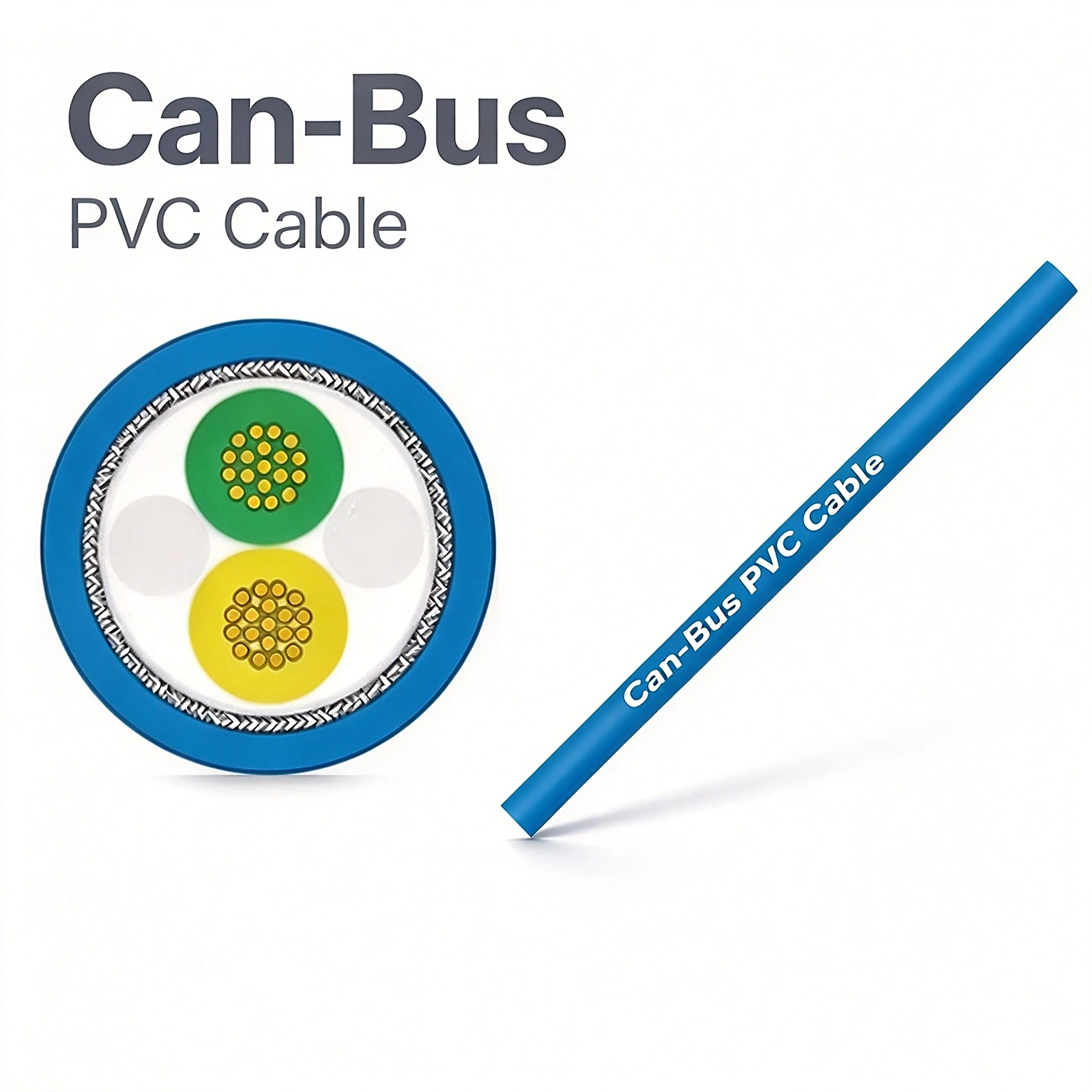
First off, let’s talk about what makes conveyor cables different from your average office cable. Conveyors aren’t carrying paper; they’re moving pallets, boxed goods, sometimes even heavy metal parts. The cables have to deal with constant flex—think a conveyor belt looping round and round, the cable trailing behind it for hours on end. There’s also exposure to dust, oil from factory equipment, temperature swings (a cold warehouse in winter vs. a hot production floor in summer), and sometimes even minor impacts from a rogue box tipping over. A regular industrial cable might handle one or two of these, but conveyor cables need to check all those boxes.
Now, here’s the big one LAPP swears by for most standard conveyor setups: the ÖLFLEX CLASSIC 110 FLEX. Wait, let me make that relatable—“ÖLFLEX” is just LAPP’s line for flexible cables, right? The “110 FLEX” is the workhorse version that’s been used in thousands of conveyor systems, from small food processing lines to big distribution center main conveyors. Why is this the go-to? Let’s run through the specs that matter for conveyors.
First, flex life. Unlike cheap cables that crack after a few thousand bends, the ÖLFLEX CLASSIC 110 FLEX is rated for over 5 million flex cycles. Wait, what does that actually mean for you? If your conveyor runs 24/7, that’s like 3 years of constant movement without the cable breaking down. I’ve had clients tell me they installed these 4 years ago and haven’t had to replace a single conveyor cable yet—compare that to the cheap stuff they used before, which died every 8 months. That’s a huge win for downtime, because conveyor downtime costs you money fast—every hour a line is down, you’re not moving goods, which eats into profits.
Next, resistance. Conveyors get exposed to all kinds of gunk. The 110 FLEX has a PVC outer jacket that’s resistant to mineral oils, coolants, and even mild chemicals that you might find in a warehouse or factory. Wait, but if you’re in a more extreme environment—like a mining conveyor where there’s heavy dust or occasional contact with sharp metal parts—LAPP recommends stepping up to the ÖLFLEX ROBUST 400 FLEX. This one has a TPE outer jacket instead of PVC, which is way more durable against abrasion and extreme temperatures (it works from -40°C up to 80°C, compared to the 110 FLEX’s -5°C to 70°C). I had a mining client a couple years back who switched from the 110 FLEX to the 400 FLEX after their cables were getting shredded by coal dust and rock impacts; since then, they’ve cut cable replacements by 70%. That’s the thing—you don’t need the most expensive cable unless you need it, but for standard, it’s the 110, for tough, it’s the 400.
Wait, let’s not forget about the inside of the cable. Conveyors need power and sometimes control signals, right? The 110 FLEX has stranded tinned copper conductors—tinned copper is better than bare copper because it resists corrosion, which is key if your conveyor is in a damp area (like a food processing plant where they wash down equipment sometimes). The insulation is also cross-linked PVC, which means it’s more heat-resistant and less likely to break down over time than regular PVC. I’ve seen some installers go with a cheaper cable that has solid copper conductors, thinking it’s stiffer, but solid copper cracks when you bend it repeatedly—stranded is the only way to go for flex.
Now, are there specific cases where LAPP would recommend something else? Let’s say you’re working with a food-grade conveyor—like in a bakery or a pharmaceutical plant, where you can’t have the cable leaching chemicals into the food. For that, LAPP’s go-to is the ÖLFLEX FOOD 200 FLEX. This one has a food-safe PVC jacket that meets FDA and EC 1935/2004 standards, so there’s no risk of contamination if the cable gets touched by a loaf of bread or a medicine bottle. I worked with a local bakery a while back; they were having issues with regular cables leaving black marks on their pastry boxes, and switching to the ÖLFLEX FOOD 200 fixed that completely. No more marks, no more lost product from rejected boxes. That’s a niche case, but it’s super important.
What about drag chains? A lot of conveyors are in drag chains—cables that are tucked into a metal chain that moves with the conveyor. For that, LAPP recommends the ÖLFLEX DRAG 100 FLEX. Wait, why not just use the classic ones? Drag chains have even tighter flex, right? The DRAG 100 is specifically designed for continuous operation in drag chain systems, with a structure that prevents the conductors from tangling or wearing against each other. I had a client who had a conveyor with a drag chain that was rubbing cables raw every few months; switching to the DRAG 100 solved that, no more frayed cables. That’s the difference between a conveyor cable that’s “good enough” and one that’s engineered for the job.
Let me also bust a myth here: a lot of people think thicker cable is better, but that’s not always true for conveyors. You need the right gauge for the power your conveyor draws, but going too thick adds unnecessary weight, which makes the conveyor work harder and uses more electricity. The ÖLFLEX lines are designed to have optimal conductor size—so you get the power you need without the extra bulk. I’ve seen installers oversize cables just to be safe, but that can actually lead to premature wear because the heavier cable puts more stress on the trailing cable management system. It’s a balance, not a one-size “thicker = better” deal.
Now, let’s talk about what to avoid. I get it, everyone wants a cheap price, but buying a no-name cable from a discount store might seem like a steal at first, but in the long run, it’s going to cost you more in replacements, downtime, and labor. LAPP cables are tested to international standards—like IEC 60227 and IEC 60332 for fire safety, which means if there’s a small electrical issue, the cable won’t spread flame. Cheap cables often skip those tests, so they’re a fire risk too. I had a client a few years back who had a minor electrical fault with a cheap conveyor cable; it caught fire, and they had to shut down the entire warehouse for 2 days while they replaced everything. That cost them way more than just buying LAPP cables would have.
Wait, also, let’s not forget installation. Even the best cable won’t work if you install it wrong. LAPP’s recommendations don’t just stop at the cable—they have guidelines for bend radius, tension, and how to secure the cable. For example, the 110 FLEX needs a minimum bend radius of 5x the cable diameter for continuous flex, which means if your cable is 10mm thick, you need at least a 50mm bend. If you bend it tighter, it’ll crack the insulation. I see installers cutting corners here all the time, and that’s why cables fail early. It’s not the cable’s fault, it’s the install. That’s part of why I recommend LAPP—they don’t just sell you a cable, they give you the info to install it right, which saves you so much hassle.
Let’s sum this up quick, so it’s easy to remember. For standard indoor conveyors (warehouses, general factories): ÖLFLEX CLASSIC 110 FLEX. For harsh environments (mining, outdoor conveyors with abrasion/extreme temp): ÖLFLEX ROBUST 400 FLEX. For food/pharma conveyors: ÖLFLEX FOOD 200 FLEX. For drag chain conveyor systems: ÖLFLEX DRAG 100 FLEX. Those are the four core recommendations LAPP gives, based on thousands of installations across different industries.
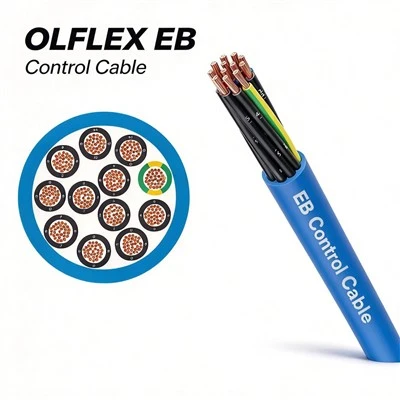
I know picking the right cable for your conveyor can be overwhelming—there are so many options, and it’s easy to go with whatever someone else used, only to have it fail. As a LAPP Cables supplier, I’ve worked with everything from small, local conveyor shops to big national distribution centers, so I’ve seen what works and what doesn’t. If you’re not sure which one fits your setup, don’t guess—reach out. We can talk through your specific conveyor, what it’s exposed to, your run schedule, and figure out exactly which LAPP cable is going to save you time, money, and headache in the long run. No sales pitch, no pressure—just straight talk about what works for your conveyor.
HELUKABEL Single-Core Cables References:
- LAPP Group. (2023). ÖLFLEX Conveyor Cables: Technical Specifications and Application Guidelines.
- International Electrotechnical Commission. (2022). IEC 60227: Insulated Cables for Rated Voltages Up to 450/750 V.
- Occupational Safety and Health Administration. (2021). Electrical Safety Guidelines for Industrial Conveyor Systems.
- LAPP Group. (2023). ÖLFLEX ROBUST Series: Abrasion and Temperature Resistance Data Sheets.
- U.S. Food and Drug Administration. (2022). Food Contact Materials: Compliance Guidelines for Industrial Cables.
Xiamen Kabasi Electric Co., Ltd.
Xiamen Kabasi Electric Co., Ltd. is one of the most professional lapp cables manufacturers and suppliers in China. With abundant experience, we are committed to providing high quality customized cables with competitive price. Please feel free to buy the newest lapp cables in stock here and get quotation from our factory.
Address: Third Floor, Building 6, Baochen Science and Technology Park, No.15 Dongfu West Road 2, Xinyang Street, Haicang District, Xiamen, China
E-mail: sale3@kabasi.cn
WebSite: https://www.kabasicable.com/
