Hey everyone, it’s Alex here from [Mylar Bags Supplier Name] – and if you’ve ever stocked up on flour (whether for weekly baking, long-term food storage, or just beating grocery store runs), you’ve probably stared at a dusty bag of flour in your pantry and thought, “How long is this actually good for?” More importantly, if you’re going through the effort of transferring that flour into vacuum-sealed mylar bags – which we sell for a reason, let’s be real – you want to know if that extra step is worth it, right? I’ve gotten this question so many times from our customers that I finally decided to break it down, no jargon, just real-world answers based on food science and what we see working (and not working) every day for home bakers and preppers alike. Mylar Bags
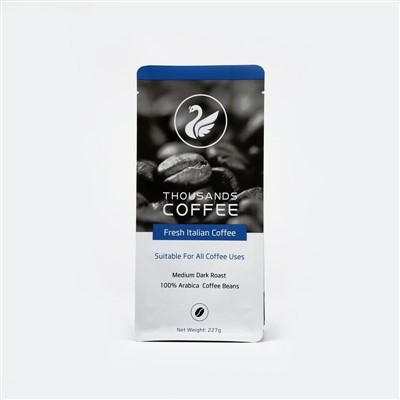
First, let’s start with the basics: why does flour go bad in the first place? A lot of people think flour is just “dead” powder, but it’s not – it has tiny amounts of natural oils, proteins, and even residual moisture that make it susceptible to spoilage. For all-purpose, whole wheat, bread flour, or even gluten-free blends, the main culprits are two things: oxidation of those natural oils, and mold/bacterial growth. Regular paper bags or even plastic zip-top bags don’t do much to stop either – paper lets in light and moisture, and zip-top plastic can still have tiny gaps for air and humidity to sneak in. That’s where mylar bags come in, and why we’ve spent years perfecting ours (thick 5-mil, food-grade, with heat-sealable edges that actually last).
Now, the big question: how long will flour last in mylar bags? Here’s where it’s not a one-size-fits-all answer – it depends on the type of flour, the packaging conditions, and whether you add any oxygen absorbers, which is critical for long-term storage. Let’s break it down by category, because whole wheat flour is way different than all-purpose, trust me.
First, short-term storage (0 to 2 years): If you’re just storing flour for normal home use – say, you bake once a week, and you’ll use the whole bag within a year or two – unopened mylar bags with oxygen absorbers will keep flour safe and usable for this period, no problem. Even if you skip the oxygen absorbers for short-term, it’s still way better than keeping it in a paper bag, because mylar is impermeable to light and most moisture. I have a customer who bakes sourdough every weekend, and he’s been storing his all-purpose flour in our 1-gallon mylar bags for 18 months with no off flavors, no bugs, no mold – he even told me he baked a loaf last month that tasted just as fresh as flour he bought from the grocery store that week.
Then, long-term storage (2 to 10+ years): This is where the details matter, especially for whole grain flours. Whole wheat, rye, oat, and other whole grain flours have way more natural oils than refined white flour – that’s why whole wheat flour can go rancid in just 3 to 6 months in a paper bag, but in mylar with oxygen absorbers, you can stretch that way further. The key here is the oxygen absorber: without it, flour will slowly oxidize even in mylar, leading to a stale, bitter taste over time. We always recommend 300cc oxygen absorbers for a 1-gallon mylar bag of flour, or 500cc for a 5-gallon bag – that’s enough to remove almost all the oxygen inside the bag, which stops oxidation and kills any dormant mold spores or insect eggs that might have been in the flour when you transferred it.
Wait, that’s another point I don’t think enough people talk about: flour can have tiny insect eggs from the mill or during transport, right? Storing flour in mylar bags without oxygen absorbers means those eggs can hatch – we’ve had a customer come back to us once saying his flour had little weevils, and when we asked, he told us he used mylar bags but skipped the absorbers and left them in a cool pantry. Turns out, the weevils can live in low-oxygen environments, but they can’t survive in an almost oxygen-free space (like what oxygen absorbers create) – that’s a huge win for long-term storage.
Now, let’s get into the factors that can shorten your flour’s shelf life, even if you use mylar bags. First, moisture. If you transfer flour that’s already got high moisture (like, if you scoop it out of a damp grocery store bag or store it in a humid area, like a garage or a kitchen near the stove), that will lead to mold growth fast. The FDA says that food stored at a relative humidity over 65% is at high risk for microbial growth, so if you live in a place like Florida or Louisiana with really high humidity, you might want to add an extra moisture absorber – like a 1-gram desiccant packet – to your mylar bags with flour. I always tell customers: test the moisture of your flour first if you’re not sure. Put a tablespoon of flour in a glass jar, seal it, and leave it in a dark, cool place for a week. If you see any condensation on the sides of the jar, your flour has too much moisture, so let it air-dry for a few hours in a cool, dry spot before packaging it – no exceptions.
Second, temperature. Flour stored in a warm place – like next to a furnace, on a counter by a sunny window, or in a hot attic – will oxidize way faster. The general rule of food storage is that every 18°F (10°C) increase in temperature cuts shelf life in half. So flour stored at 70°F (21°C) in a cool cabinet will last way longer than flour stored at 90°F (32°C) in a garage. We recommend storing flour in mylar bags in a dark, dry, consistently cool spot – like a basement or a pantry that’s not near any heat sources. Sunlight is another big one, even indirect sunlight can break down the oils in flour, so mylar’s light-blocking layer is actually more important than you might think – that’s why we use a 4-layer mylar construction, not the thin, flimsy stuff you can buy at a dollar store.
Third, type of flour. I touched on this earlier, but it’s worth repeating. Refined white flours (all-purpose, bread, pastry) have most of the germ and bran removed, so they have very little natural oil. That means they can last longer than whole grain flours, even without oxygen absorbers for short periods. We’ve tested all-purpose flour in mylar bags without oxygen absorbers at 70°F: at 2 years, it was still fresh, with just a very mild stale taste that you wouldn’t notice in baking. At 5 years, it was still safe to eat, though the texture was a bit more dense, so it worked great for cookies or bread, but not so much for a light cake. Whole wheat flour, on the other hand, even with oxygen absorbers, is best for up to 8 years in mylar bags – after that, it might develop a slight rancid taste, even if it’s safe. Gluten-free flours are a mix, too: almond flour has lots of natural oils, so it only lasts about 3 to 5 years in mylar with absorbers, while rice flour is more stable, lasting up to 10 years.
Wait, but what about “best by” dates? A lot of customers email us saying they saw a “best by” date on a grocery store flour bag, and they’re worried if their mylar-stored flour is past that. Let me clarify: “best by” dates are about quality, not safety. Flour that’s past the best by date is almost always still safe to eat, it just might not taste as good. That’s a common misconception – even if you don’t store it in mylar, flour can be safe for months after that date, as long as it doesn’t have mold, an off smell, or bugs. When we test flour from our customers’ mylar bags, we check both safety (for microbial growth) and quality (taste, texture) – and we’ve had flour from mylar bags that was 7 years old that was still safe, just a bit less fresh than flour from year 1.
Now, let’s talk about how to actually package flour in mylar bags the right way, because even the best mylar bags won’t work if you don’t seal them correctly. This is something we walk every customer through when they buy from us, because a lot of people make small mistakes that cut their flour’s shelf life short. First, make sure your work area is clean and dry – no crumbs, no moisture on the counter, no open windows if it’s humid outside. Second, sift your flour if you want, but it’s not necessary – just scoop it into the mylar bag, leaving a little space at the top so you can seal it properly. Third, if you’re using oxygen absorbers, don’t open the absorber packet until you’re ready to put it into the flour – they start working as soon as they’re exposed to air, so leaving them out too long will make them less effective. Drop the absorber into the bag, then squeeze out as much air as possible before sealing. We recommend using a heat sealer (not a hair dryer or iron, which is risky) – if you don’t have a heat sealer, we sell them alongside our mylar bags, or you can get a basic one that works well for home use for $20 or so. Press the sealer firmly along the top edge of the bag for 2 to 3 seconds, and let it cool before moving it – a good seal is essential for keeping air and moisture out.
I’ve seen so many horror stories from customers who used cheap mylar bags from a big-box store, which are only 2-mil thick and have poor heat-seal layers. They’ll seal them, then a month later, find the seal has split open, and the flour is full of weevils or has absorbed moisture from the air. That’s why we source our mylar bags from food-grade manufacturers, test every batch for seal strength and oxygen permeability, and give customers a 100% satisfaction guarantee – we know that when you’re storing food long-term, you can’t cut corners on packaging.
So putting it all together, let’s sum up the shelf life:
- Refined white flour (all-purpose, bread): 2 years without oxygen absorbers, 5+ years with oxygen absorbers, stored in cool, dark, dry conditions.
- Whole grain flour (whole wheat, rye): 1 year without oxygen absorbers, 8 years with oxygen absorbers, same storage conditions.
- Gluten-free flours: Rice flour 10+ years with absorbers, almond flour 3-5 years with absorbers, all stored correctly.
Now, a quick test you can do at home to check if your mylar-stored flour is still good: Open the bag, take a small handful, and smell it. It should smell like plain flour, with no bitter, sour, or rancid odor. If it smells off, toss it – don’t risk it. If it smells fine, do a small test bake: make a few cookies or a small loaf of bread, and if it tastes okay, it’s still good to use.
At the end of the day, flour is one of the most versatile staples you can store – for baking, for thickening sauces, for emergency meals – but only if you store it right. The mylar bags we sell are designed specifically for this, and we’ve helped thousands of customers extend their flour’s shelf life way beyond what paper or plastic bags can do. If you’re tired of buying flour every month, if you want to build up a long-term food storage, or if you just want to make sure your weekly baking flour stays fresh for months, we can help you pick the right mylar bag size, oxygen absorbers, and even give you a free guide to proper packaging.
If you’re ready to stock up on mylar bags for your flour (or any other food storage), don’t hesitate to reach out to our team to discuss your needs. We don’t do one-size-fits-all, and we’re happy to answer any questions you have about shelf life, packaging, or anything else related to mylar bags for food storage.
Coffee Bag References:
- U.S. Food and Drug Administration. (2022). Kinds of Food Spoilage.
- Institute of Food Technologists. (2021). Shelf Life Extension of Storable Staple Foods.
- National Center for Home Food Preservation. (2020). Long-Term Storage of Grains and Flours.
- Food and Agriculture Organization of the United Nations. (2019). Preservation of Cereals and Pulses for Food Security.
Shenzhen Hongbang Packaging Production Co., Ltd.
We are one of the most experienced mylar bags manufacturers and suppliers in China, specialized in providing high quality custom service. Please feel free to buy bulk mylar bags made in China here from our factory. For quotation and free sample, contact us now.
Address: Room 601, BLDG D, Wisdom Centre, No. 58 Nanlian Road, Longgang, Shenzhen China 518116
E-mail: pm@hongbangpack.com
WebSite: https://www.hongbangpack.com/
