Barbed wire, a simple yet highly effective invention, has been widely used across various industries for centuries. As a seasoned supplier of barbed wire, I am often asked about the cost of this essential product. In this blog post, I will delve into the factors that influence the price of barbed wire and provide a comprehensive overview of the cost. Barbed Wire

At the heart of understanding the cost of barbed wire is recognizing the different types available in the market. Commonly, barbed wire comes in two main materials: galvanized steel and stainless steel. Galvanized steel barbed wire is coated with a layer of zinc to prevent rusting, making it a popular choice for most applications. Stainless steel barbed wire, on the other hand, is more resistant to corrosion and is typically used in high – moisture or harsh chemical environments. The choice of material has a direct impact on the cost. Stainless steel is generally more expensive than galvanized steel due to the properties of the material and the cost of production.
The gauge of the wire is another significant determinant of cost. The gauge refers to the thickness of the wire; a lower gauge number indicates a thicker wire. Thicker wire is more durable and can withstand greater stress, which is crucial in applications where the barbed wire may be subject to heavy use or environmental pressures. As a rule of thumb, lower – gauge barbed wire is more expensive because it requires more raw material and often more complex manufacturing processes. For example, a 12.5 – gauge barbed wire will cost more than a 14 – gauge wire of the same length and type.
The spacing between the barbs also affects the price of barbed wire. Barbed wire can have different barb configurations, such as single – twist or double – twist barbs. Double – twist barbs are more secure and offer better protection, but they are also more expensive to produce. Additionally, the frequency of the barbs along the wire is a consideration. Barbed wire with a closer barb spacing will generally cost more as it requires more barbs, which increases the material and labor costs.
The length of the barbed wire roll is a straightforward factor in cost calculation. Naturally, longer rolls will cost more than shorter rolls. However, in some cases, larger – quantity purchases may come with volume discounts. This is an important consideration for customers who need a substantial amount of barbed wire for large – scale projects, such as fencing large agricultural fields or industrial sites.
Market conditions play a crucial role in determining the cost of barbed wire. The prices of raw materials, such as steel and zinc, fluctuate based on global supply and demand. When the demand for steel is high in other industries, like construction or automotive manufacturing, the price of steel for barbed wire production will increase. Similarly, if there are disruptions in the zinc production process, the cost of galvanizing the wire will go up, leading to a higher overall price for the barbed wire. Additionally, currency exchange rates can also impact the cost, especially if the raw materials are imported.
Installation requirements also need to be factored into the overall cost. While the price of the barbed wire itself is a significant part of the expense, the cost of installation tools, labor (if you’re not installing it yourself), and additional hardware such as posts and connectors can add up. For instance, if you’re installing barbed wire on uneven terrain, you may need more specialized posts and additional labor to ensure a proper installation, which will increase the total cost.
To give you a ballpark figure, a basic roll of 14 – gauge galvanized steel barbed wire, with a standard barb spacing, and a length of 80 rods (about 1,320 feet) can cost anywhere from $50 to $100. A higher – quality 12.5 – gauge stainless – steel barbed wire of the same length, with double – twist barbs and closer barb spacing, could cost upwards of $200 per roll.
It’s important to note that these are approximate prices and can vary depending on all the factors mentioned above. As a barbed wire supplier, I understand that every customer has unique needs. Whether you’re a farmer looking to fence a small pasture or a security company in charge of protecting a large industrial complex, I can offer customized solutions.
If you’re in the market for barbed wire, I encourage you to reach out for a detailed quote. We can discuss your specific requirements, such as the type of material, gauge, barb configuration, and length, to provide you with an accurate cost estimate. Our team of experts is also available to offer advice on the best type of barbed wire for your application, as well as installation tips and support.
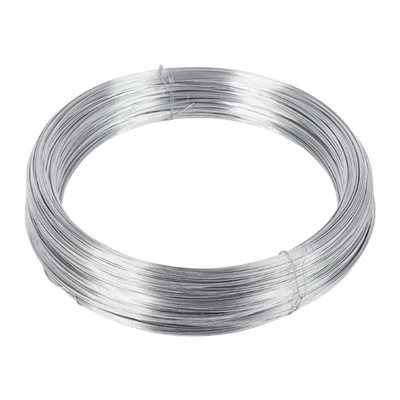
In conclusion, the cost of barbed wire is influenced by a variety of factors including material, gauge, barb configuration, length, market conditions, and installation requirements. By carefully considering these elements, you can make an informed decision that meets your needs and budget. Don’t hesitate to contact me to start the conversation about your barbed wire purchase. I’m here to help you find the most suitable and cost – effective solution for your project.
Stainless Steel Mesh References:
- "Barbed Wire: An Illustrated History" by Hal Herring
- "The Fence Post Handbook" which includes details on barbed wire and related fencing materials
- Industry reports on steel and zinc market trends
Anping Jiuchang Metal Wire Mesh Co., Ltd.
As one of the most professional barbed wire manufacturers and suppliers in China, we’re featured by quality products and good price. Please rest assured to wholesale premium barbed wire for sale here from our factory. We also accept customized orders.
Address: Anping County, Hengshui City, Hebei Province
E-mail: jiuchangmetal@163.com
WebSite: https://www.jiuchangmetal.com/
