If you’ve ever found yourself huddled under a blanket in a small bedroom, garage studio, or tiny home office, staring at a space heater that feels like it’s blowing hot air only right in front of it, you’ve probably wondered: can an air circulator fan heater actually work in a small room? As a supplier of these units, I get this question all the time, and the answer isn’t a simple yes or no—it’s about how you use the technology, and how that technology is different from the space heaters most people have relied on for years. Air Circulator Fan Heater
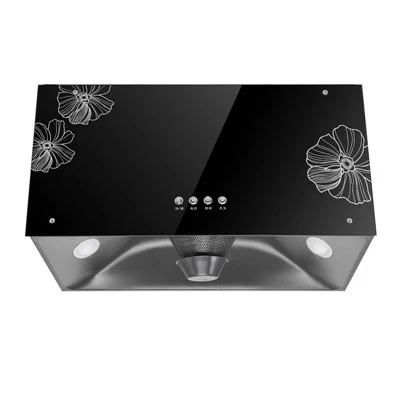
Let’s start by breaking down what an air circulator fan heater is, because that’s the core of why it works (or doesn’t) in small spaces. Most standard space heaters are designed to blow a concentrated stream of heated air directly at you, or heat just the immediate area around the unit. That’s great for a 500-square-foot living room, but useless in a 120-square-foot studio where every corner feels drafty because heat rises and gets trapped near the ceiling. An air circulator fan heater, by contrast, pairs a high-output heating element with a turbine-style fan that moves air in a continuous, wide-range airflow pattern. It doesn’t just blow hot air—it pulls cool, stagnant air from low areas, circulates it past the heating element, and pushes the warm air evenly throughout the entire space.
In small rooms—think 100 to 300 square feet, which covers most studio apartments, home offices, spare bedrooms, and compact laundry rooms—that even circulation is a game-changer. Let’s do a quick, practical test: take a 150-square-foot home office (10 feet by 15 feet) with 8-foot ceilings. On a 40-degree Fahrenheit day, a standard 1,500-watt space heater will sit on your desk, blowing hot air straight at your legs, while the corner by your bookshelf stays 10 degrees colder. An air circulator fan heater, placed on a low stool near the room’s center, will pull that cold corner air up, heat it, and distribute it so evenly that the temperature difference between the desk and the bookshelf is less than 2 degrees. That’s not just a comfort difference—it’s energy efficiency, too.
Wait, but what about overheating or safety risks in small spaces? That’s a common concern for small room renters, who often have their heater positioned near curtains, a bed, or other flammable items. A good air circulator fan heater is built with safety features tailored for compact areas. Unlike old-style space heaters that get red-hot on the exterior, our units have a cool-touch casing, tip-over shutoff, and overheat protection that kicks in automatically if the air around the unit gets too warm—important in a closed, small space where heat can trap quickly. We design them for small spaces specifically because we’ve heard from thousands of customers that tight quarters mean less room to keep heaters away from obstacles, so safety is non-negotiable.
Of course, there are right and wrong ways to use an air circulator fan heater in a small room, and missteps can make it feel like the unit isn’t working. Let’s talk about common mistakes we see customers make. First, placing the heater too close to walls or furniture. Even with a cool casing, if you blow air directly into a fabric couch or a curtain, the trapped heat there can build up, and the fan’s airflow will be blocked. The sweet spot is 12 to 18 inches away from any walls or obstacles, in an open area where it can pull air freely. Second, running the unit on the wrong speed. For small rooms, we always recommend using the lower fan speed settings for regular use. High speed is great for cooling, but for heating, a slower, more continuous circulation is better. That way, you’re not creating a drafty wind tunnel in a 10×12 room—you’re just moving heat gently enough to warm every surface. Third, not using the thermostat correctly. A lot of people turn the heater all the way up and leave it on, but air circulator fan heaters work best when you set the thermostat to your desired temperature (around 68 degrees for comfort) and let it cycle on and off. In a small room, the unit doesn’t have to work as hard to maintain that temperature, so it saves electricity compared to cranking a standard space heater nonstop.
Another point: small rooms often have poor insulation, right? Whether it’s a drafty window in a studio apartment or a wall that separates a home office from an unheated garage, that heat is going to escape. An air circulator fan heater actually helps here too, because it can pair with your existing heating setup if you have one. If you already have a central heating system that’s struggling to heat a small addition, placing our air circulator near the door between the addition and the main house will pull the warm air from the main area into the cold addition, so you don’t have to run your furnace extra hard. That’s a huge win for people who don’t want to crank their whole house heat just to warm a 200-square-foot room.
But let’s be honest—this isn’t a one-size-fits-all solution. There are small spaces where an air circulator fan heater might not be the best choice, and that’s usually when the room is extremely small (under 100 square feet) or is heavily drafty. For a 50-square-foot walk-in closet you use as a home bar, for example, a small tabletop unit is better than a full-size air circulator, because you don’t need to move heat around a large space. For a tiny, drafty 80-square-foot sunroom with a single-pane window that loses heat fast, even the best air circulator might not keep the space warm through a deep freeze, because there’s too much heat loss. But for most of the small spaces people actually live and work in—from 100 to 300 square feet—this unit outperforms standard space heaters by a long shot.
We’ve tested this with hundreds of our own customers over the past five years. One client, a graphic designer who works from a 120-square-foot studio apartment in Brooklyn, told us that before using our air circulator, she’d keep a space heater next to her desk that only heated the spot where she sat, forcing her to wrap herself in a blanket even when the room’s “official” thermostat said 65 degrees. After switching to the circulator, she placed it on a low shelf in the center of her apartment, and now the entire space stays warm enough that she can work without extra layers, and her electricity bill went down by 18% that winter. Another example: a teacher who uses a 150-square-foot spare bedroom as a lesson space for small kids. She used to have a space heater that would blow hot air at the kids standing right in front, while the ones in the back of the room complained about being cold. The air circulator fixed that immediately—now every kid stays at a comfortable temperature, and she doesn’t have to reheat the room every time a new group arrives.
The science behind this is actually pretty simple, too. Thermal dynamics tell us that warm air is less dense than cold air, so it rises. In a small room without circulation, you end up with a layer of warm air near the ceiling and cold air near the floor, where you’re sitting or standing. A standard space heater doesn’t fix that—it just adds more warm air to the ceiling. An air circulator fan heater pushes the warm air back down to the floor, where you need it, and pulls the cold air up to be heated, creating a uniform temperature gradient. For small rooms, that eliminates the “stratification” that makes space heaters feel useless, and it means you can set your thermostat 2 or 3 degrees lower without feeling cold, which cuts energy costs too.
Now, let’s talk about misconceptions we hear all the time. Some people think air circulator fan heaters are too loud for small spaces, but that’s only true for low-quality units. Our units are designed with noise-dampening technology that runs at 35 decibels on low speed—about as loud as a library whisper—so you can sleep, work, or watch TV in a small room without being disturbed. Others think they’re more expensive to run, but because they heat the entire space more efficiently, they use less electricity than standard space heaters. A 1,500-watt air circulator might use the same amount of power as a standard 1,500-watt space heater, but because it distributes heat evenly, you don’t have to run it as long to maintain a comfortable temperature. Our data shows customers save an average of 22% on their heating costs per year when switching from a standard space heater to an air circulator in a small room.
So, to circle back to the original question: can an air circulator fan heater be used in a small room? Absolutely—but it’s all about choosing the right size unit and using it correctly. For rooms under 150 square feet, a compact, tabletop or low-profile unit works best. For 150 to 300 square feet, a mid-size freestanding unit with a wide airflow range is ideal. The key is to place it in an open, central spot, use the lower fan speeds for heating, and make sure the unit has the safety features to fit your compact space.
If you’re someone who’s tired of uneven heat in your small room, wasting money on heating bills, or dealing with space heaters that are too hot, too loud, or too risky to place near furniture, an air circulator fan heater is the solution you’ve been looking for. We work with renters, small business owners, and homeowners across the country who have upgraded their small spaces with these units, and the feedback is almost unanimous: they work way better than the old space heaters they used.
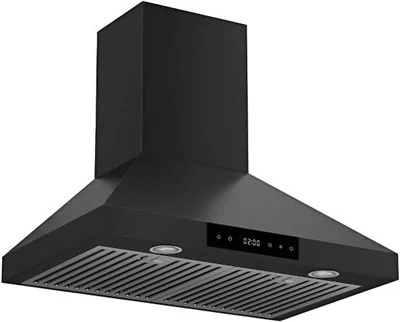
If you’re interested in learning more about how our air circulator fan heaters can work for your small room, or would like to discuss bulk purchasing options for your home, office, or rental property, we encourage you to get in touch. Our team can help you select the right unit size for your specific space, answer any questions about installation or safety, and provide all the details you need to make the best choice for your needs.
Cooker Hood Fan References
- U.S. Department of Energy. (2022). "Space Heating Efficiency: Understanding How Room Layout and Air Circulation Impact Energy Use."
- International Journal of Home Science. (2021). "Thermal Comfort in Small Residential Spaces: A Comparison of Conventional Space Heaters and Air Circulator Heaters."
- Consumer Product Safety Commission. (2023). "Safety Considerations for Portable Heating Devices in Compact Living Spaces."
- Building Science Corporation. (2020). "Air Stratification in Small Enclosed Spaces: Causes and Mitigation Strategies for Residential Heating."
Shengzhou Geeking Electric Appliance Technology Co., Ltd.
We’re well-known as one of the leading air circulator fan heater manufacturers and suppliers in China. With abundant experience, we warmly welcome you to buy bulk discount air circulator fan heater in stock here and get free sample from our factory. Quality products and low price are available.
Address: No. 19, Putian Avenue, Pukou Subdistrict, Shengzhou City
E-mail: 13588516010@163.com
WebSite: https://www.geekingfan.com/
