If you’ve ever walked through a new construction or renovation project, chances are you’ve encountered interior slab doors—flat, unembellished door panels that serve as a blank canvas for any space, from small home offices to commercial break rooms. As an interior slab door supplier, I get a dozen questions about these doors every week, and one that pops up more than most is: “Do interior slab doors come with hinges?” It’s a simple question, but the answer isn’t as straightforward as you might think, and the details can make all the difference for anyone ordering doors for a project, whether residential or commercial. Let’s break this down, because getting the right hardware paired with your slab doors can save you time, hassle, and even money down the line. Interior Slab Door
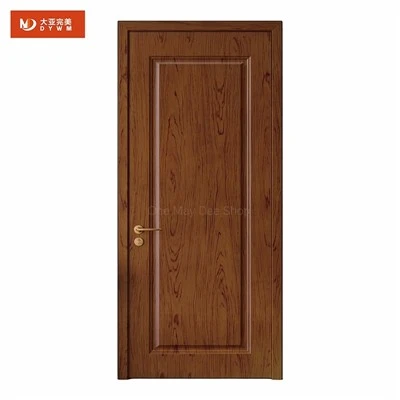
First, let’s start with what an interior slab door actually is. Unlike prehung doors, which come preassembled in a frame with hinges attached and a door slab already hung, a slab door is just the solid or hollow core door panel itself—no frame, no hinges, no door knob hole cut out. That’s the core difference, and it’s why so many people assume hinges aren’t included. But here’s where it gets nuanced: some suppliers do offer slab door packages that include hinges, while others sell the doors as standalone products. As someone who’s worked in this industry for 12 years, I’ve seen both models, and I’ve heard from every kind of customer—homeowners doing a DIY bathroom remodel, general contractors outfitting a 50-unit apartment complex, interior designers pulling custom pieces for high-end retail spaces. Each has different needs, so the decision to include hinges often comes down to what the customer wants, the project timeline, and the type of door they’re ordering.
Let’s talk about why some suppliers don’t include hinges with interior slab doors. For starters, slab doors are extremely versatile. One slab door can be used in a standard interior frame, a pocket door frame, a barn door track system, or even a sliding closet door setup. Each of these applications requires a different type, size, and number of hinges. If a supplier included standard butt hinges with every slab door, they’d be forcing customers who are using pocket doors to use hardware that doesn’t fit, or who are mounting a barn door to drill wrong holes for standard hinges. That’s a surefire way to leave a customer frustrated, and at the end of the day, we want our doors to work for our customers, not against them.
Another big factor is cost. Hinges aren’t a one-size-fits-all product. A plain, 3-inch steel butt hinge for a residential bedroom door costs just a few cents per hinge, while a heavy-duty 5-inch ball-bearing hinge for a commercial office door can cost $2 or more each. Some customers are on tight budgets, and if we included high-end hinges in a door package, they’d be paying for hardware they don’t need. On the flip side, other customers are willing to pay a little extra for the convenience of having all their hardware arrive at once, so including hinges makes sense for their workflow. That’s why we’ve always offered both options at our company: standalone slab doors, and pre-packaged door + hinge kits, with clear details on what’s included so no one gets a surprise.
Now, let’s get into the details of when hinges do come with interior slab doors. For most residential interior projects, standard slab doors (1 3/8 inches thick, 30 inches or 32 inches wide) are often paired with 3-inch, plain steel butt hinges. These are the most common hinges for interior use, and they work with standard 4 9/16-inch wide interior door frames. For these orders, we typically include 3 hinges per door (for doors 6 feet 8 inches tall, the standard interior door height) because that’s the industry recommended number for smooth operation and to prevent the door from sagging over time. Sagging is a big issue with interior doors—if you don’t have enough hinges, the weight of the door can pull the frame out of alignment, making the door hard to open or close. So when we include hinges, we always calculate the right number based on door size and type.
Commercial interior slab doors are a different story. Most commercial doors are 1 3/4 inches thick, heavier, and need to meet fire code standards or heavy-use requirements. For these, we almost always include heavy-duty ball-bearing hinges, which are designed to withstand daily use in high-traffic areas like office hallways, hospital wings, or retail stores. These hinges are more durable, quieter, and less likely to wear out than standard residential hinges, so including them makes sense for commercial customers who don’t want to have to replace hardware every few years. We also make sure to note on every commercial order that the hinges included are code-compliant, so customers don’t have to source separate hardware to meet building requirements.
But wait—there’s a common misconception here: some people think that because a slab door is just a panel, it doesn’t need any prepped holes for hinges. That’s not always the case. If a customer is ordering a door + hinge kit, we pre drill the hinge mortises (the recessed areas in the door edge where the hinge cups sit) right at the factory. That saves the customer the step of having to measure and cut mortises themselves, which is a big plus for DIYers who might not have the right tools or experience. We also make sure the hole spacing matches standard frame measurements, so the hinge aligns perfectly with the frame when installed. That’s a small detail, but it eliminates a lot of the mistakes people make when installing slab doors on their own.
For customers who prefer to source their own hinges, we don’t drill mortises at all. That lets them use whatever hinge style works for their project—whether it’s a decorative butterly hinge for a closet, a strap hinge for a rustic barn door, or a continuous hinge for a heavy commercial door. We also leave the door edge unmodified, so customers can cut the door to custom size if needed, which is another benefit of buying a standalone slab door. I’ve had customers come to us after trying to use prehung doors that were the wrong size, and they’ve bought a slab door, cut it to fit, and used their own hinges for a custom look that they couldn’t get from a prehung unit. That’s the beauty of slab doors—they’re customizable.
Let’s address a common mistake I see both new and experienced customers make. Some people assume that any hinge will work with any slab door, but that’s not true. If your slab door is hollow core (which is standard for most interior residential doors, lighter weight, cheaper), you need hinges that are designed for hollow core material. Using a heavy-duty door hinge made for solid wood can split the hollow core panel, because it’s not strong enough to support the weight. Conversely, a hollow core hinge won’t hold up for a solid wood door, which is heavier. When we provide hinges with our slab doors, we make sure they’re matched to the door type, so customers don’t have to worry about that. I’ve had a few customers call us over the years saying their hinges broke a week after installation, and when we check, they used a residential hinge on a solid wood door that was 50 pounds heavier than the hinge was rated for. That’s a avoidable problem, which is why matching hinges to the door is so important.
Another factor to consider is accessibility. Many interior doors need to be ADA-compliant, meaning they open easily with less force. Some hinges, like spring hinges, are designed to close automatically, which is required for commercial spaces like public restrooms or office lobbies. We offer spring hinges as an add-on for our slab door + hinge kits, so customers can get all the hardware they need in one order without having to shop around. That’s a service we’ve built our business on—understanding the different needs of different projects and making it easy for customers to get everything they need, not just the door itself.
Now, let’s talk about what we don’t do. We never force hinges on customers. If someone orders a slab door for a custom barn door project, they might be using a track system that doesn’t require standard butt hinges, so we don’t include those. If a customer is ordering a door for a closet and wants to use a no-mortise hinge (a newer style that doesn’t require cutting recesses in the door), we don’t drill mortises for them. That flexibility is key, because our customers’ needs are all over the map. We could sell a one-size-fits-all door + hinge kit, but that would not serve the DIYer, the contractor, the designer, or the homeowner who has a specific vision for their space.
I’ve been in this industry long enough to know that the small details make all the difference. When a customer is renovating their home, they don’t want to spend hours at a hardware store buying hinges that are the wrong size, or drilling holes into a door that doesn’t align. When a general contractor is on a tight timeline for a project, they don’t want to wait for separate deliveries for doors and hinges. That’s why we’ve adjusted our products over the years to offer both options: standalone slab doors, and pre-packaged kits with hinges matched to the door. We even provide a free installation guide with every kit, so customers can see exactly how to hang the door, whether they’re a first-timer or a seasoned pro.
If you’re still unsure whether interior slab doors come with hinges, the best thing to do is check the product details when you order. Most suppliers, including us, clearly label whether a door is sold as a standalone slab, or as a door + hinge kit. We also have a team of customer service representatives who can help you figure out what you need: if you’re a DIYer who’s installing a standard bedroom door, a kit with 3 hinges is perfect. If you’re putting in a barn door, a standalone slab door with no pre-drilled holes is the way to go. If you’re working on a commercial project, we’ll make sure you get code-compliant hinges that match your heavy-duty door.

At the end of the day, interior slab doors can come with hinges—but it’s not a given. It’s a choice that’s made based on your project’s needs, your budget, and your own preferences as the installer. As a supplier, our job isn’t just to sell doors—it’s to help our customers choose the right products, the right hardware, and the right support to get their project done right. If you’re in the market for interior slab doors, whether you need just the panel, hinges included, or customized options, reach out to our team to discuss your project and get the details you need to make the best choice.
Invisible Door References:
- International Code Council. (2021). International Building Code: Section 716 (Interior Doors and Frames).
- Door & Hardware Institute. (2022). Slab Door Installation Best Practices.
- National Association of Home Builders. (2021). Residential Interior Door Hardware Standards.
One May Dee Show Furniture Co., Ltd.
As one of the most professional interior slab door manufacturers and suppliers in China, we are committed to providing high quality customized service with competitive price. Welcome to wholesale bulk cheap interior slab door made in China here from our factory. If you have any enquiry about quotation, please feel free to email us.
Address: Laomiao Village, Dacheng Town, Sanyuan County, Xianyang City, Shaanxi Province, China.
E-mail: trade@omdoor.com
WebSite: https://www.dywmdoor.com/
