As a dedicated supplier of carbon fiber bicycle saddles, I’ve received numerous inquiries from cyclists, bike shops, and enthusiasts about the compatibility of our carbon fiber bicycle saddles with different seat posts. It’s a crucial question, as the right combination of saddle and seat post is essential for a comfortable, safe, and efficient cycling experience. In this blog post, I’ll delve into the intricacies of this compatibility issue, exploring the factors that affect it and providing practical advice to help you make the right choices. Carbon Fiber Bicycle Saddle
Understanding Carbon Fiber Bicycle Saddles
Carbon fiber has become a popular material for bicycle saddles due to its exceptional strength-to-weight ratio, stiffness, and vibration-damping properties. These characteristics make carbon fiber saddles lighter, more comfortable, and more efficient than saddles made from other materials. However, the unique properties of carbon fiber also mean that carbon fiber saddles require special care and attention when it comes to compatibility with seat posts.
One of the key features of carbon fiber bicycle saddles is their construction. Most carbon fiber saddles consist of a carbon fiber shell that is reinforced with additional layers of carbon fiber or other materials for added strength and durability. The shell is then typically covered with a padding layer and a synthetic or leather cover for comfort and aesthetics. This construction method allows for a high degree of customization in terms of shape, size, and stiffness, but it also means that carbon fiber saddles can be more sensitive to stress and damage than saddles made from other materials.
Compatibility Factors
When considering whether a carbon fiber bicycle saddle is compatible with a particular seat post, several factors need to be taken into account. These include the seat post diameter, the seat post clamp type, the saddle rail type, and the saddle mounting system.
Seat Post Diameter
The seat post diameter is one of the most important factors to consider when choosing a compatible saddle. Most modern bicycles use seat posts with diameters of either 27.2mm, 30.9mm, or 31.6mm, although other sizes are also available. It’s essential to ensure that the seat post diameter is compatible with the saddle’s mounting system, as an incorrect fit can lead to instability, discomfort, and even damage to the saddle or seat post.
Seat Post Clamp Type
The seat post clamp type is another important consideration. There are two main types of seat post clamps: bolt-on clamps and quick-release clamps. Bolt-on clamps are typically more secure and provide a more precise fit, but they require tools to adjust. Quick-release clamps, on the other hand, are easier to adjust and allow for quick changes in saddle height, but they may not be as secure as bolt-on clamps.
Saddle Rail Type
The saddle rail type is also a crucial factor in determining compatibility. Most carbon fiber bicycle saddles use either titanium or carbon fiber rails, although other materials such as steel and aluminum are also available. The rail type must be compatible with the seat post clamp, as different clamps are designed to work with different rail materials and shapes.
Saddle Mounting System
The saddle mounting system refers to the way the saddle is attached to the seat post. There are several different types of saddle mounting systems, including the traditional two-rail system, the single-rail system, and the integrated mounting system. Each system has its own advantages and disadvantages, and it’s important to choose a system that is compatible with both the saddle and the seat post.
Compatibility Challenges
While many carbon fiber bicycle saddles are designed to be compatible with a wide range of seat posts, there are some challenges that cyclists may encounter when trying to find the perfect match. One of the main challenges is the variability in seat post and saddle designs. Different manufacturers may use slightly different dimensions, shapes, and materials, which can make it difficult to ensure a perfect fit.
Another challenge is the potential for damage to the carbon fiber saddle. Carbon fiber is a strong but brittle material, and it can be easily damaged if it is not properly installed or if it is subjected to excessive stress. This means that it’s important to follow the manufacturer’s instructions carefully when installing a carbon fiber saddle and to avoid overtightening the seat post clamp or using excessive force when adjusting the saddle height.
Tips for Ensuring Compatibility
To ensure that your carbon fiber bicycle saddle is compatible with your seat post, here are some tips to keep in mind:
- Check the specifications: Before purchasing a carbon fiber saddle, carefully check the specifications to ensure that it is compatible with your seat post diameter, clamp type, rail type, and mounting system.
- Follow the manufacturer’s instructions: When installing your carbon fiber saddle, be sure to follow the manufacturer’s instructions carefully. This may include using specific tools, torquing the bolts to a specific level, or using a torque wrench to ensure that the bolts are tightened to the correct specifications.
- Inspect the saddle regularly: Regularly inspect your carbon fiber saddle for signs of damage, such as cracks, chips, or delamination. If you notice any damage, stop using the saddle immediately and contact the manufacturer for advice.
- Use a torque wrench: When tightening the seat post clamp or any other bolts on your saddle, use a torque wrench to ensure that the bolts are tightened to the correct specifications. Overtightening the bolts can cause damage to the carbon fiber saddle, while undertightening can lead to instability and discomfort.
- Consult a professional: If you’re unsure about the compatibility of your carbon fiber saddle with your seat post, or if you’re having trouble installing the saddle, consult a professional bike mechanic. They can provide you with expert advice and assistance to ensure that your saddle is installed correctly and safely.
Conclusion
In conclusion, while carbon fiber bicycle saddles offer many benefits in terms of weight, comfort, and performance, they also require special care and attention when it comes to compatibility with seat posts. By understanding the factors that affect compatibility, following the manufacturer’s instructions, and taking the necessary precautions, you can ensure that your carbon fiber saddle is a perfect match for your seat post and that you enjoy a comfortable, safe, and efficient cycling experience.

If you’re in the market for a high-quality carbon fiber bicycle saddle, I encourage you to explore our range of products. Our saddles are designed and manufactured using the latest technology and materials to provide you with the ultimate in comfort, performance, and durability. We also offer a wide range of customization options to ensure that you can find the perfect saddle for your needs and preferences.
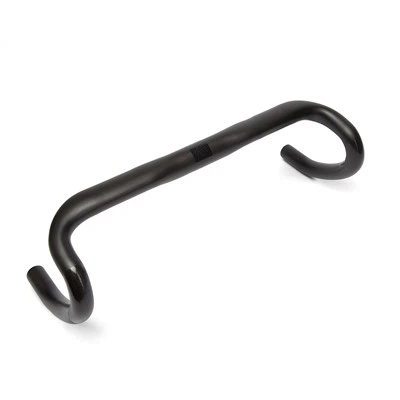
Bike Road Integrated Handlebar If you have any questions or would like to learn more about our carbon fiber bicycle saddles, please don’t hesitate to contact us. We’re always happy to help and look forward to the opportunity to work with you.
References
- Wilson, M. (2018). The Complete Guide to Bicycle Saddles. Cycling Press.
- Brown, T. (2019). Understanding Carbon Fiber Technology in Bicycles. Mountain Bike Magazine.
- Cycling Weekly. (2020). Choosing the Right Bicycle Seat Post. Cycling Weekly Online.
Hunan Yecheng Technology Co., Ltd.
We’re well-known as one of the leading carbon fiber bicycle saddle manufacturers and suppliers in China, also support customized service. Please feel free to buy high quality carbon fiber bicycle saddle for sale here from our factory. For more information, contact us now.
Address: Changsha, Hunan Province, China.
E-mail: info@rxlsl.com
WebSite: https://www.rxlsl.com/
