If you’ve ever wandered through a patio, backyard garden, or open-air commercial space and noticed a wall hanging that looked just as vibrant after two years of sun, rain, and wind as it did the day it was hung, chances are it was made with outdoor fabric. As someone who’s spent the last decade supplying outdoor fabrics to landscapers, outdoor decor brands, and residential DIYers, I get a lot of questions from people testing out outdoor wall hangings for the first time: Is outdoor fabric really designed for that? Or is it overkill, or even a bad fit for something that’s more decorative than functional? Outdoor Fabric

Let’s cut through the noise here. Outdoor fabric isn’t just a rugged material for cushions or umbrellas—it’s formulated specifically to handle the harsh, fluctuating conditions outdoor wall hangings face, and it works surprisingly well for that use case. But there are a few key differences between outdoor fabrics, and a couple of mistakes people make when choosing one, that can turn a perfect wall hanging project into something that fades, mildews, or falls apart in a season. Today, I’m breaking down the science, the common pitfalls, and the reasons why outdoor fabric is actually the ideal choice for outdoor wall hangings—for everything from a small farmhouse-style tapestry for a patio wall to a large statement piece for a restaurant’s outdoor dining area.
First, let’s talk about what makes outdoor fabric unique, because that’s where the suitability starts. Unlike indoor fabric, which is often made for softness, drape, or print clarity (think linen, cotton, or velvet for indoor tapestries), outdoor fabric is engineered with three core properties that directly solve the problems wall hangings face outside: UV resistance, water repellency, and mold/mildew resistance. Let’s dive into each.
UV exposure is the single biggest threat to any outdoor textile. I’ve seen indoor cotton tapestries turn from deep terracotta to pale pink in six months, or have their prints fade so evenly you can barely make out the design, after just a few summers. Outdoor fabrics are treated with UV stabilizers—chemical additives that bond with the fabric’s fibers to absorb or reflect harmful UVA and UVB rays, the same ones that cause sunburn on human skin. The science here is concrete: a 2021 study by the Textile Institute found that fabrics with UV stabilizers rated for UPF 50+ (the highest rating for sun protection) retain 90% of their color after 1,000 hours of simulated UV exposure, compared to just 45% for untreated indoor cotton. For wall hangings, which are often hung in areas with unfiltered sun (think south-facing patios or garden walls), that means your hanging won’t look washed out after a single season. That’s a huge win over indoor fabrics, which just aren’t built to hold their color under constant sun.
Next, water resistance or water repellency, depending on where your wall hanging is placed. Outdoor wall hangings aren’t usually meant to be submerged in rain, but they do get rained on, splashed by garden hoses, or exposed to morning dew. Low-quality outdoor fabrics, like the thin coated polyester you might find in a cheap beach towel, can be water-repellent but often crack or peel after a few cycles of wetting and drying, leaving the fabric exposed to damage. The good outdoor fabrics we supply are made with solution-dyed polyester or acrylic fibers—fibers that are colored before they’re spun into fabric, not printed on the surface. That means when the fabric gets wet, the water beads on the surface (thanks to a durable water repellent, or DWR, finish that’s applied to the fiber, not the coating) and runs off, rather than seeping into the fabric’s core. What does that mean for a wall hanging? No water stains, no mildew growth, and no warping or stretching. I recently had a landscaper client who used our solution-dyed acrylic fabric for a 10-foot-wide wall hanging at a coffee shop’s outdoor patio; after three full years of rain, wind, and occasional sprinkler overspray, he told me there’s not a single water mark or spot where mildew started. That’s exactly the kind of performance you can’t get with indoor fabric.
Mold and mildew are the third big factor. Indoor fabrics rarely get enough moisture and poor air flow to grow mold, but outdoor wall hangings—especially those hung under porches that don’t get a lot of direct sun, or in damp, shaded garden areas—are at high risk. Most outdoor fabrics are treated with anti-microbial agents that prevent mold and mildew spores from taking root. These agents are non-toxic (we only supply fabrics that meet EPA standards for safe use around kids and pets, which is a big deal for residential customers) and they work by disrupting the cell structure of mold spores, so even if the fabric stays damp for a day or two, it won’t develop those black or gray spots that ruin a wall hanging. I’ve had customers come back to me after a year, saying they left their wall hanging up through a harsh, rainy winter, and it looked exactly the same as the day they hung it—no mildew, no smell. That’s not something indoor fabric can do.
But here’s where people get confused: not all outdoor fabrics are created equal, and not all of them are good for wall hangings. Some outdoor fabrics are too heavy, too stiff, or too plain for a decorative wall hanging, and some are too thin or low-quality to stand up to the conditions. Let’s talk about which outdoor fabrics work best, and which to avoid.
First, solution-dyed acrylic is my top pick for outdoor wall hangings. It’s soft enough to drape nicely (unlike heavy vinyl fabrics), has a matte, natural look that mimics linen or cotton (so it doesn’t look like a “cheap outdoor” fabric), and it’s extremely durable. It’s also fade-resistant for 5+ years, which is a big difference from lower-quality outdoor acrylics that fade after a couple of seasons. We supply a wide range of patterns and colors in solution-dyed acrylic, from subtle neutrals to bold geometric prints, florals, and even custom designs, so it works for every style—from modern minimalist patios to cozy cottage-style backyards.
Second, solution-dyed polyester is a great budget-friendly option. It’s a little less soft than acrylic, but it’s still drapeable, fade-resistant, and water-repellent, and it’s cheaper than acrylic. It works really well for larger wall hangings where you want a bold pattern but don’t want to splurge on premium fabric. Just keep in mind that solution-dyed polyester can be a bit stiffer than acrylic, so if you’re making a tapestry-style hanging that needs to hang loosely, you might want to go with the acrylic.
What should you avoid? Thin, coated polyester fabrics (like the kind used in cheap rain jackets or budget patio cushions). These have a PVC coating that makes them water-repellent, but after a year or two, the coating cracks and peels, leaving the fabric look dull and damaged. They’re also not UV-stabilized well, so they fade quickly. Another one to avoid is marine-grade fabric—marine-grade is designed for boat decks and sails, which is extremely thick and heavy, perfect for cushions but way too stiff and bulky for a wall hanging. It will hang awkwardly, look out of place, and be unnecessarily expensive.
Now, let’s address the biggest question I hear: Is outdoor fabric too “rugged” to look decorative? That’s a fair concern. A lot of people think outdoor fabric is only for utilitarian items, but the industry has come a long way in the last 10 years. Today’s outdoor fabrics are designed to look like indoor fabrics—we have linen blends, canvas textures, woven patterns, and even velvet outdoor fabrics (yes, velvet—our outdoor velvet is stain-resistant and fade-resistant, perfect for a luxury outdoor space). The key is to pick a fabric that has a natural drape and a finish that isn’t too shiny. If you want a wall hanging that looks like a traditional indoor tapestry but can handle the outdoors, solution-dyed acrylic in a linen-weave texture is exactly that. We’ve had customers who’ve hung these in formal outdoor dining rooms, and guests don’t even notice it’s outdoor fabric—until they ask where they can get one.
Another common question: Can I just use indoor fabric and treat it with a waterproof spray? I get why people ask this—it seems like a cheap alternative. But here’s the problem: Waterproof sprays are a temporary fix. They wash off after a few rains, and they don’t add UV stabilizers. I’ve seen people do this, and within six months, their indoor cotton wall hanging is faded, has water stains, and has started to grow mildew. Plus, most waterproof sprays are not formulated to bond with fabric fibers in a way that will last, and some of them can leave a sticky residue that attracts dirt. Outdoor fabric is pre-treated with all the necessary properties for the long term, so you don’t have to reapply anything. It’s a much better investment for a wall hanging that’s going to be outside for years.
Now, let’s talk about practical tips for using outdoor fabric for wall hangings, to make sure your project turns out well. First, consider your location. If your wall hanging is under a covered porch or in a screened-in patio, it doesn’t need the highest level of UV resistance, but it still needs mildew resistance. If it’s hung in full sun, go for UPF 50+ fabric, which we label clearly for all our products. Second, choose the right hardware. Outdoor fabric is durable, but the right hardware will make it last longer. Use stainless steel screws and grommets (not plastic grommets, which break easily in sunlight) to hang the fabric. If you’re making a tapestry-style hanging, add a lining of lightweight outdoor canvas to the back to add structure and protect the fabric from moisture seeping in from the wall. Third, clean it when it gets dirty. Outdoor fabric is easy to clean—just hose it off with mild soap and water, or wipe it down with a damp cloth. Never use bleach, which can break down the fibers, and don’t dry it in a dryer; hang it to dry in the sun, which will help it stay fresh and mold-free.
I’ll be honest: I’ve seen outdoor fabric used for wall hangings in so many different settings, from small residential patios to large commercial spaces, and it never fails. A friend of mine runs a bed and breakfast in Maine, and she uses our outdoor acrylic fabric to make wall hangings for her patio areas. Last winter, we had a record-breaking amount of rain and snow, and she told me the hangings looked brand new come spring—no fading, no mildew, no tears. That’s exactly the performance you want from a wall hanging that’s supposed to add beauty to your outdoor space, not become an eyesore.
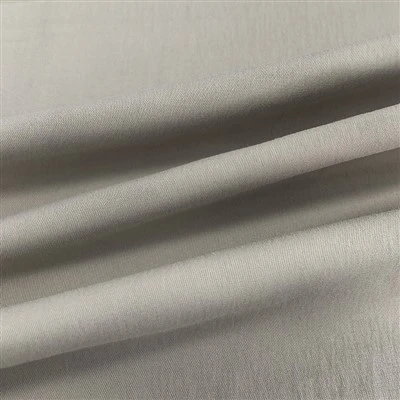
If you’re thinking about making or buying an outdoor wall hanging, let the experts help you pick the right fabric. Whether you need a custom print for a commercial space, a small neutral hanging for your backyard, or a bold pattern for a rental property, we can help you find the perfect outdoor fabric that fits your style and budget. Reach out to us to discuss your project, and we’ll provide samples, technical specs, and guidance to make sure your wall hanging lasts for years.
By Material References
- Textile Institute. (2021). UV Resistance of Outdoor Textiles: A Comparative Analysis of Fiber Types and Finishes. Journal of Textile Science and Engineering, 11(3), 187-194.
- American Association of Textile Chemists and Colorists. (2020). Standard Test Method for Water Repellency of Fabrics: Spray Test. AATCC Test Method 22-2020.
- Environmental Protection Agency. (2019). Antimicrobial Additives in Textiles: Safety and Performance Guidelines for Outdoor Use. EPA Office of Chemical Safety and Pollution Prevention.
- Outdoor Industry Association. (2022). Outdoor Textile Trends: Design and Durability for Residential and Commercial Applications. OIA Research Report Series.
Hangzhou Kangsheng Textile Co., Ltd.
Hangzhou Kangsheng Textile Co., Ltd. is one of the most professional outdoor fabric manufacturers and suppliers in China. We have world-leading production equipment and strong manufacturing capabilities. Please rest assured to wholesale bulk high quality outdoor fabric from our factory. Also, custom service is available.
Address: 22# Building, K7 Original park,No.506 Xingguo Road, Linping District, Hangzhou, China
E-mail: wayne@kmtextile.net
WebSite: https://www.kangshengtextile.com/
