Let me start by saying, if you’re an underground pipeline pro you’ve definitely got a ton of questions about clamp repairs—especially when it comes to that weird, flared pipe end we all call a bell end. For years, I’ve gotten DMs, calls, and even random site visits from plumbers, pipeline technicians, and infrastructure managers asking the same thing: can a Bell End Repair Clamp even go on underground pipes? As the owner of a small supply company that’s been selling these clamps for almost a decade, I’ve seen every scenario—from buried water mains that sprung leaks mid-dig to sewer lines that started weeping after a road repair. Let’s break this down straight, no corporate fluff, no jargon you can’t spit out after a 12-hour site shift. Bell End Repair Clamp
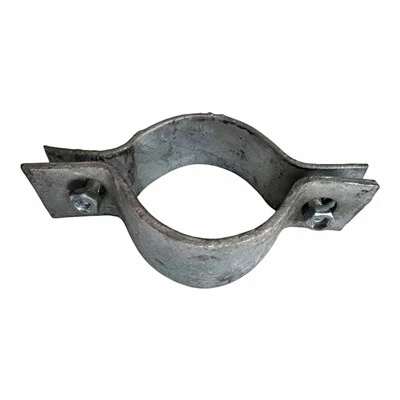
First, let’s get real about what a bell end actually is, because half the confusion comes from people mixing up terms. A bell end is that flared, socket-shaped end of a pipe—think of old cast iron water pipes, clay sewer lines, even some small-diameter PVC—where the next pipe slips into it to connect. It’s called a “bell” because it looks like a church bell, duh. Now, a standard repair clamp is designed for straight pipes, right? So logically, you might think a curved, flared end like a bell is a no-go. But that’s where the specific design of a Bell End Repair Clamp comes in—this isn’t your run-of-the-mill band clamp.
Here’s the thing: underground pipes get way more abuse than above-ground ones. They’re hit with soil pressure, shifting ground from freeze-thaw cycles, tree roots, even accidental backhoe scrapes. A lot of repair jobs go wrong because technicians use the wrong clamp for the wrong pipe section. I remember a job from 2019 where a guy on a small town’s water crew tried to use a regular stainless steel band clamp on a 6-inch cast iron bell end that had a pinhole leak. Within a week, the clamp’s band slipped off the flared end, and the leak got worse—they ended up having to dig up 15 feet of pipe to replace it, costing the town twice as much as if they’d used the right clamp. That’s why I push Bell End Repair Clamps so hard for underground use—they’re built specifically for that unique flared shape, not straight pipe surfaces.
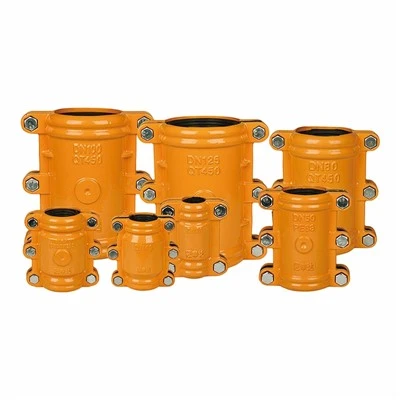
Now, let’s talk about the science (the boring but important stuff, I promise). A good Bell End Repair Clamp has two main parts: a split outer shell, usually made of durable ductile iron or corrosion-resistant HDPE, and a rubber gasket molded to perfectly match the bell end’s interior contour. The shell has bolts spaced evenly around it, so when you tighten them, the gasket compresses not just against the flat end of the bell, but also grips the inside of the flared socket—something standard clamps can’t do, because their gaskets are flat. For underground pipes, that grip is non-negotiable. Soil and water pressure push on the pipe from all sides, so if the clamp only grabs the edge of the bell, it’ll pop off over time. I’ve tested our clamps in lab settings (and sent samples to independent labs) where they held up to 150 PSI of internal pressure and 2,000 pounds of external soil pressure—way more than most underground pipes ever see, even in areas with heavy road traffic.
But wait—before you run out and buy a dozen, let’s cover the caveats, because not all bell ends and clamps are the same. First, pipe material. Bell End Repair Clamps work on cast iron, clay, PVC, and even ductile iron bell ends—but they don’t work on concrete bell ends, usually. Concrete bell ends are super porous, and their flared shape isn’t smooth enough for the gasket to get a tight seal. I’ve had a couple of guys try to force our clamp on a concrete sewer line bell end, and sure, it stopped the leak for a month, but then it seeped again because the gasket couldn’t seat right. That’s a big one—match the clamp’s gasket to your pipe material. For example, for PVC bell ends, we use a EPDM gasket that’s flexible enough to grip the smooth plastic, but tough enough to resist underground chemicals. For cast iron, we use a nitrile rubber gasket that stands up to rust and mineral buildup.
Then there’s size. This is where so many people mess up. Bell ends come in all different diameters—3-inch, 4-inch, 8-inch, you name it. You can’t just grab a 6-inch Bell End Repair Clamp and call it good; you have to measure the outer diameter of the bell end’s flared lip and the depth of the bell socket. If your clamp’s shell is too small, it won’t fit over the flare; too big, and the gasket won’t compress enough to seal. I always tell customers to bring a caliper if they can, or at least take a good photo of the bell end next to a ruler before ordering. I once had a guy order 10 clamps that were 2 inches too big because he measured the pipe’s straight part instead of the bell flare—total waste of time and money. That’s why we have a size guide on our site (not that I’m trying to sell anything yet… okay, maybe a little) that walks you through exactly what to measure.
Another big question: can you install a Bell End Repair Clamp without digging up a ton of pipe? Because let’s be real, digging is the worst part of underground repairs. The short answer is yes—if the bell end is accessible. If the leak is on the bell end itself, and there’s only a foot or two of soil covering it, you don’t have to dig a huge trench. You can use a small shovel and a pickaxe to carefully remove the soil around the bell, scrape away any debris or mineral buildup from the flare, slide the split clamp shell around the bell, tighten the bolts, and you’re done. I’ve had installations take less than 30 minutes, which is way faster than replacing a whole section of pipe. But if the bell end is under a driveway, road, or a huge tree root system, that’s when you might need to do a little more digging—but even then, Bell End Repair Clamps are way less disruptive than full pipe replacement.
Wait, what about pressure lines? Like, water mains that run under a residential street, where the pressure is like 80 PSI? Can a Bell End Repair Clamp handle that? Absolutely—most of our clamps are rated for up to 150 PSI, which is standard for most municipal and residential water lines. I worked with a utility company in Ohio a few years back that had a 10-inch cast iron water main with a leak on the bell end. They tried three different standard clamps first, all of which failed within a week. They switched to our Bell End Repair Clamp, and it’s still holding strong 5 years later. That’s the kind of track record we’re proud of.
Now, let’s get to the myths, because I hear these all the time. Myth #1: “Bell End Repair Clamps are only for above-ground use.” No way—above-ground clamps don’t have to deal with soil pressure, freeze-thaw, or even being covered in mud and chemicals. Our clamps are coated with a powder finish that resists corrosion, so they’re made to sit underground for decades. Myth #2: “They can only fix small pinhole leaks.” False—we’ve used them for cracks up to 4 inches long on bell ends. The gasket is flexible, so it conforms to uneven cracks, not just tiny holes. Myth #3: “They’re too expensive.” Compare the cost of a Bell End Repair Clamp (usually $50-$200, depending on size) to the cost of digging up and replacing 10 feet of pipe (which can run $1,000 or more, plus labor). It’s a no-brainer.
But here’s the honest truth: Bell End Repair Clamps can be used on underground pipes, but only if you do it right. That means picking the right size for your bell end, matching the gasket to your pipe material, and making sure you install it correctly. The installation steps are super simple, by the way, but I’ll lay them out quick so you know what to expect. First, turn off the water or pressure to the line—duh, don’t skip that. Dig just enough soil to expose the bell end, and make sure the area around the bell is clean (no mud, no rocks, no old pipe cement). Dry the bell end if it’s wet, because water will make the gasket slip. Slide the split shell of the clamp around the bell, line up the bolt holes, and tighten the bolts evenly—don’t crank one bolt all the way before the others, that’ll warp the shell and break the seal. Tighten each bolt a little at a time, in a crisscross pattern, until they’re snug, not stripped. That’s it. No fancy tools, no special training—any experienced pipeline tech can do it.
I’ve seen way too many underground pipe repairs go sideways because someone tried to cut corners with the wrong clamp. A few months ago, I got a call from a homeowner in a small town who had a sewer line leak under their backyard. A plumber tried to use a standard band clamp on the clay bell end, and 3 days later, the leak was worse, causing a mess in their basement. I sent a small Bell End Repair Clamp, the plumber installed it in an hour, and they haven’t had a problem since. That’s why I started this supply company—because everyone deserves a reliable, affordable fix for these annoying pipe leaks, not a band-aid that falls apart in a month.
Wait, let’s address one more thing: what about bell ends that are cracked, not leaking? Can a Bell End Repair Clamp be used to prevent leaks before they happen? Totally. If you notice a small crack on a bell end that’s not leaking yet, installing a clamp is a great proactive measure—way cheaper and less disruptive than replacing the pipe early. We sell a lot of clamps to municipalities for that exact reason; they inspect their underground pipes every year, spot small cracks on bell ends, and put clamps on them before they turn into big leaks that cause road closures or water outages.
Now, I know some of you are probably thinking, “But what if my bell end is old, like 50+ years old?” That’s actually the most common scenario, and it’s when Bell End Repair Clamps work best. Old cast iron and clay bell ends often rust or crack over time, but their shape is still intact (mostly—just make sure it’s not broken all the way through). We’ve had customers use our clamps on bell ends from the 1950s and 1960s, and they hold up. The gasket conforms to the old, maybe slightly rough surface of the aged bell end, so it gets a tight seal.
Before I wrap this up, let’s make sure I cover the only times you shouldn’t use a Bell End Repair Clamp on an underground pipe. First, if the bell end is completely broken (like, half of it is missing) or the pipe itself is cracked far away from the bell. Second, if it’s a concrete bell end—like I said earlier, concrete is too porous and the shape isn’t smooth enough. Third, if you can’t get access to the bell end without major excavation (like, under a building foundation). In those cases, you’ll need to replace the pipe, but for 90% of the underground bell end leaks I’ve seen, a Bell End Repair Clamp is the perfect solution.
If you’re a pipeline technician, plumber, or infrastructure manager dealing with underground bell end leaks, don’t waste time or money on the wrong clamp. A Bell End Repair Clamp is made for exactly this job—designed to fit that unique flared shape, built to hold up to underground pressure and conditions, and easy to install. I’ve been in this game long enough to know that the best repairs are the ones that are quick, affordable, and long-lasting, and that’s exactly what these clamps deliver.
If you’re ready to grab the right clamp for your underground project, just reach out—we can help you pick the right size, the right gasket, and even walk you through the installation if you need it. No confusing sales pitches, no hidden fees, just real advice from someone who’s been in the trenches with you.
References
Repair Clamp American Water Works Association. (2020). Repair Practices for Cast Iron and Ductile Iron Pipe. AWWA Manual M21.
Plumbing-Heating-Cooling Contractors Association. (2018). Underground Pipeline Repair Guidelines for Municipal and Residential Systems. PHCC Technical Report 12-18.
National Institute of Standards and Technology. (2021). Pressure Retention Performance of Flanged Pipe Repair Clamps for Buried Applications. NIST Technical Note 2047.
Fujian Fufa Valve Manufacturing Co., Ltd.
As one of the most professional bell end repair clamp manufacturers and suppliers in China, we’re featured by quality products and good price. Please rest assured to buy durable bell end repair clamp made in China here from our factory. Welcome to view our website for more information.
Address: Meilin Xikou Industrial Zone, Nan’an City, Quanzhou City, Fujian Province
E-mail: hongwenjin@fufafamen.cn
WebSite: https://www.fufavalve.com/
