In the dynamic landscape of construction and heavy – equipment industries, the quick coupler hitch stands as a crucial component that significantly enhances the efficiency and versatility of machinery. As a seasoned supplier of quick coupler hitches, I am often confronted with a paramount question from our clients: "What is the maximum weight capacity of a Quick Coupler Hitch?" This blog post aims to delve deep into this topic, shedding light on the factors that influence the weight capacity and sharing industry insights. Quick Coupler Hitch

Understanding the Basics of Quick Coupler Hitches
Before we discuss the maximum weight capacity, it is essential to understand what a quick coupler hitch is and how it functions. A quick coupler hitch is a device designed to quickly and securely attach various types of attachments, such as buckets, forks, and grapples, to construction equipment like excavators, loaders, and skid – steers. This innovation has revolutionized the construction industry by eliminating the time – consuming process of manual attachment changes.
The primary function of a quick coupler hitch is to provide a reliable connection between the machine and the attachment while ensuring the safe transfer of loads. It achieves this through a combination of mechanical and hydraulic mechanisms that lock the attachment in place, allowing for seamless operation under different working conditions.
Factors Affecting the Maximum Weight Capacity
The maximum weight capacity of a quick coupler hitch is not a fixed number; rather, it is influenced by several key factors. Understanding these factors is crucial for selecting the right coupler for your equipment and ensuring safe and efficient operation.
1. Design and Construction
The design and construction of a quick coupler hitch play a vital role in determining its weight – handling capabilities. High – quality couplers are typically made from robust materials such as high – strength steel, which can withstand heavy loads without deformation or failure.
The manufacturing process also matters significantly. Couplers that are precision – engineered and undergo strict quality control measures are more likely to have a higher weight capacity. For example, a coupler with reinforced locking mechanisms and a well – designed structural frame can distribute the load evenly, reducing stress points and increasing overall strength.
2. Compatibility with Equipment
The weight capacity of a quick coupler hitch is closely related to the equipment it is designed to attach to. Different machines have different lifting capacities and hydraulic systems, which can limit the maximum weight that the coupler can safely handle.
It is crucial to ensure that the quick coupler hitch is compatible with your machine in terms of size, mounting mechanism, and hydraulic requirements. Using an incompatible coupler can not only reduce the weight capacity but also pose a significant safety risk.
3. Type of Attachment
The type of attachment being used with the quick coupler hitch also affects its weight capacity. Some attachments, such as large buckets or heavy – duty grapples, have a higher self – weight and may require a greater lifting force. In addition, the distribution of the weight within the attachment can impact the coupler’s performance.
For example, an attachment with an uneven weight distribution can create additional stress on the coupler’s locking mechanism, reducing its effective weight capacity. Therefore, when selecting a quick coupler hitch, it is essential to consider the specific type of attachment you will be using.
4. Operating Conditions
The operating conditions under which the quick coupler hitch will be used can also influence its weight capacity. Harsh environments, such as extreme temperatures, high humidity, and corrosive substances, can degrade the materials of the coupler over time, reducing its strength and durability.
Furthermore, the nature of the work, such as frequent shock loads or vibrations, can put additional stress on the coupler, affecting its performance. In such cases, it may be necessary to select a quick coupler hitch with a higher weight capacity to compensate for these challenging conditions.
Typical Weight Capacity Ranges
Quick coupler hitches come in a wide range of weight capacities to meet the diverse needs of different industries and applications. Generally, the weight capacity can vary from a few hundred kilograms for small – scale applications to several tons for heavy – duty construction equipment.
For light – duty applications, such as small skid – steers used in landscaping or small – scale excavation projects, quick coupler hitches with a weight capacity of around 500 to 1000 kilograms are commonly used. These couplers are designed to handle smaller attachments, such as small buckets or forks, and are typically made from lightweight yet durable materials.
In medium – duty applications, such as medium – sized excavators or loaders, the weight capacity of quick coupler hitches can range from 1000 to 5000 kilograms. These couplers are more robust and are capable of handling larger and heavier attachments, such as standard – sized buckets or medium – duty grapples.
For heavy – duty construction and mining applications, quick coupler hitches with a weight capacity of over 5000 kilograms are required. These high – capacity couplers are often used with large – scale excavators, wheel loaders, and other heavy equipment. They are designed to withstand extreme loads and harsh operating conditions, and are usually made from high – strength alloy steels and feature advanced locking mechanisms.
Importance of Adhering to Weight Capacity Limits
Adhering to the recommended weight capacity of a quick coupler hitch is of utmost importance for several reasons. Firstly, exceeding the weight capacity can put excessive stress on the coupler, leading to premature wear and tear, deformation, or even catastrophic failure. This can not only damage the coupler and the attachment but also pose a serious safety risk to the operators and those in the vicinity.
Secondly, operating a quick coupler hitch beyond its weight capacity can also have a negative impact on the performance of the equipment. It can cause the machine to become unstable, reduce its lifting efficiency, and increase fuel consumption. In addition, it may void the manufacturer’s warranty, leaving you responsible for any repair or replacement costs.
Selecting the Right Quick Coupler Hitch Based on Weight Capacity
When selecting a quick coupler hitch, it is essential to consider the maximum weight capacity required for your specific application. Here are some steps to guide you through the selection process:
- Determine the weight of the attachments you will be using. Make a list of all the attachments you plan to use with the quick coupler hitch and note down their weights. Consider the maximum weight of the heaviest attachment you will need to lift.
- Consider the lifting capacity of your equipment. Check the manufacturer’s specifications of your machine to determine its maximum lifting capacity at the attachment point. Ensure that the quick coupler hitch you choose does not exceed this capacity.
- Account for additional factors. As mentioned earlier, factors such as operating conditions, weight distribution of the attachment, and potential shock loads should also be considered. You may need to select a coupler with a slightly higher weight capacity to accommodate these factors.
- Consult with an expert. If you are unsure about which quick coupler hitch to choose, it is advisable to consult with a professional in the industry. Our team of experienced engineers and sales representatives can provide you with personalized advice based on your specific requirements.
Conclusion
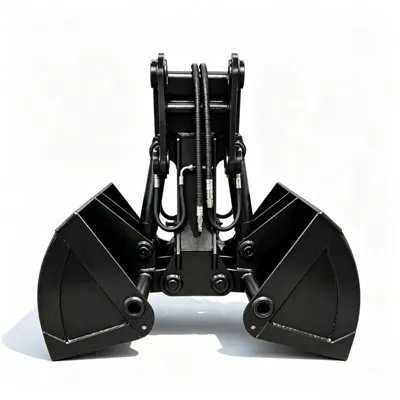
The maximum weight capacity of a quick coupler hitch is a critical factor that determines its suitability for different applications. It is influenced by various factors, including design, equipment compatibility, attachment type, and operating conditions. By understanding these factors and adhering to the recommended weight capacity limits, you can ensure the safe and efficient operation of your equipment.
Hydraulic Compactor As a trusted supplier of quick coupler hitches, we are committed to providing high – quality products that meet your specific needs. If you are in the market for a quick coupler hitch or have any questions regarding weight capacity or other technical aspects, please do not hesitate to contact us. We look forward to discussing your requirements and providing you with the best solutions for your construction and heavy – equipment needs.
References
- Construction Equipment Handbook: A comprehensive guide to the specifications and capabilities of different types of construction equipment, including quick coupler hitches.
- Manufacturer’s Technical Documents: Technical data sheets and manuals provided by quick coupler hitch manufacturers, which contain detailed information about weight capacity, materials, and recommended usage.
- Industry Standards and Regulations: International standards and local regulations governing the use of quick coupler hitches in the construction and heavy – equipment industries.
Hope Precision Machinery Co., Ltd.
As one of the most professional quick coupler hitch manufacturers and suppliers in China, we also support customized service. Please feel free to buy high quality quick coupler hitch for sale here from our factory. For more information, contact us now.
Address: No.8 Shenzhen Street, Development Zone, Yantai,Shandong ,China
E-mail: lulu@hope-breaker.com
WebSite: https://www.hopeequip.com/
