If you’re running a woodworking shop (or even tinkering with wood as a side hustle), the last thing you want is one of your big power tools dying mid-project—especially when you rely on these machines day in and day out. As a woodworking machinery supplier, I talk to guys every single week who’ve dropped thousands on a saw, planer, or jointer, only to skimp on basic maintenance and have it crap out way sooner than it should. Let’s cut the fancy jargon and get real: keeping your woodworking tools running for years (decades, even) isn’t rocket science. It’s just showing up for the small, consistent stuff—stuff that saves you cash, keeps projects on track, and avoids that panic of a dead machine when you’ve got a deadline. Woodworking Machinery
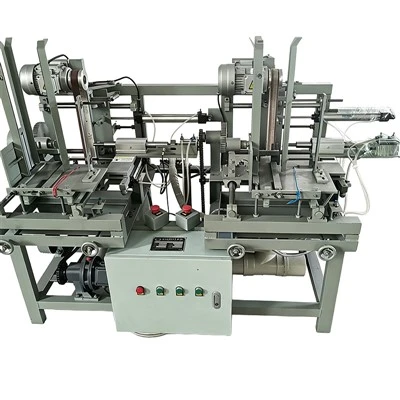
First off, let’s start with the basics you can’t skip: cleaning after every use. I know, I know—when you’re covered in sawdust and glue, the last thing you wanna do is grab a rag. But here’s the truth: sawdust is not a harmless byproduct. It’s like fine sand that grinds into every crevice of your machine, clogging motors, seizing up moving parts, and even messing with the accuracy of cuts. I’ve seen table saw blades get gummed so bad with pitch and dust that they started burning every piece of wood that went through—no amount of fancy blade wax fixes that. Same with planer beds: a tiny speck of sawdust under the stock will throw a ridge in your board, and good luck sanding that out later.
My go-to move for post-use cleanup? Keep a dedicated shop vac (not just a regular household one—they get clogged too fast) and a microfiber rag right next to each machine. For tablesaws, pull out the insert plate every time you’re done, brush out all the dust from the slot, and wipe down the blade with a little citrus-based degreaser (avoid harsh chemicals that eat at the metal). For joiners, run a dry brush over the bed and the knives, then wipe it down to get rid of any leftover resin. And do NOT forget the motor vents—dust building up here overheats the windings, which is the #1 cause of motor failure in woodworking tools. Spend 2 minutes blowing that out with compressed air (hold the can upright so you don’t spray liquid propellant) and you’ll avoid a $1,500 motor replacement down the line.
Next, lubrication—this is where so many people go wrong. They either over-lube (gunk that traps more dust) or under-lube (metal-on-metal grinding that wears parts out fast). First, check your machine’s manual—yes, I know manuals are the last thing you wanna read, but they tell you exactly where to oil and with what. Most modern woodworking machinery uses specific types of oil: light machine oil for moving parts like the fence on a tablesaw, a thicker gear oil for gearboxes, and sometimes a dry lubricant (like Teflon spray) for parts that might collect dust.
A quick example: the fence rails on a tablesaw get moved hundreds of times a week. If you don’t oil them monthly, they’ll get stiff, you’ll push the fence off square, and your cuts will be off. I like to squirt a little light machine oil on the rail and then slide the fence back and forth a few times to work it in, then wipe off any excess—no gobs allowed. For saw blades, people ask me all the time if they need to oil them. Nope, not the moving parts of the blade, but the arbor (the bolt that holds the blade on) is a spot many miss. Wipe that down, oil the threads occasionally, and make sure it’s tightened properly (but not over-tightened—use a wrench and don’t crank so hard you strip it).
Then there’s the stuff you should check weekly, not just monthly. Calibration is huge. If your jointer’s knives are out of alignment, you’re not getting flat boards. If your tablesaw’s fence isn’t square to the blade, every cut will be off by a hair, which is a disaster for glue-ups. This isn’t as scary as it sounds—most machines have simple adjustment points, and YouTube has tons of free tutorials for specific models. I recommend doing a quick square check every week: grab a combination square, hold it against the blade and the fence, and make sure they’re 90 degrees. For planers, check the infeed and outfeed tables are level with the cutter head—one of my customers skipped this, and he ruined three months worth of lumber before he realized the table was off by a quarter-inch.
Also, don’t skip belt and chain checks. A loose belt will slip, make weird noises, and cause the motor to work harder than it needs to (wasting electricity and wearing out faster). A worn belt might snap mid-cut, and if that’s a tablesaw, it’s dangerous. Every two weeks, unplug the machine, remove the guard, and check the belt for cracks, frays, or stretching. If it’s loose, adjust the tension according to the manual—usually, you can move the motor mount a little to tighten it. And when you replace a belt, don’t grab the cheapest one from the hardware store—get the exact OEM belt from a supplier. Generic belts don’t have the right tension or durability, and they’ll slip or break way faster.
Now, let’s talk about storage and usage habits, because how you treat a machine when it’s not in use matters too. If you’re not using a tool for a few days, cover it with a breathable cover (not a plastic bag—traps moisture) to keep dust off. And never leave a saw blade exposed to moisture—if you work in a damp shop (like a basement that gets humid), run a light coat of anti-rust oil on the blade after use and wipe it off the next time you need it. I’ve seen a $800 carbide blade rust so bad it was useless in a month because the guy stored it uncovered in a damp shop.
Also, don’t overload your machines. I know it’s tempting to push a planer beyond its capacity or run a tablesaw at full speed through a thick piece of wood to save time, but that’s a quick way to burn out motors or bend knives. Most machinery has a max depth of cut or max board width printed right on it—follow that. For example, a 13-inch planer can handle 13-inch wide boards, but don’t try to run a 14-inch board through it—you’ll stress the cutter head and throw it out of balance.
Here’s a pro tip from my years as a machinery supplier: keep a maintenance log. I get it, another thing to track? But it’s simple. Jot down when you cleaned the insert, when you oiled the fence, when you calibrated the jointer. It only takes 10 minutes a month, and it helps you spot patterns—like if your tablesaw’s belt is always slipping after 3 months, you know to check for misalignment or get a better belt. One of my repeat customers swears by his log—he’s had his 1990s table saw running like new for 10 years just by sticking to the schedule he wrote down.
Wait, let’s address some common myths I hear all the time. First: “New machines don’t need maintenance.” No way. Even brand new, off-the-floor tools have tiny specs from shipping—they need to be broken in and calibrated. And they still get dust and wear from regular use. Second: “I can do maintenance when it breaks.” That’s backwards. If you fix it when it breaks, you’re paying for a replacement part and downtime, instead of spending 10 minutes a week to prevent the break. Third: “All lubricants are the same.” Nope—using motor oil on a fence rail will attract dust and gunk, which is worse than not oiling at all. Always use the lubricant recommended by the manufacturer.
Another big one: electrical checks. This is safety and longevity rolled into one. Every month, unplug your machine and check the power cord for frays or cracks. A frayed cord can cause a short, which will fry the motor. If the cord is damaged, replace it with a heavy-duty extension cord if needed—don’t run a 16-gauge extension for a 2hp tablesaw, it won’t supply enough power and will overheat the motor. Also, make sure your shop has proper grounding—most woodworking machinery needs a grounded outlet, not a two-prong one. Skipping grounding is not just a fire risk, it also can damage sensitive electronics in newer machines.
Let’s wrap this up with a real example from my shop. A guy reached out to me last year panicking—his 5-year-old 10-inch tablesaw stopped cutting straight. He’d run it every day, cleaned it once every couple months, and never checked calibration. We did a quick check: the fence was 2 degrees off square, the blade had a layer of pitch gunk on it, and the motor vents were 90% clogged with sawdust. We cleaned it, adjusted the fence, and sent him home—his saw was back to perfect cuts. But if he’d kept up with weekly cleaning and monthly calibration, he would’ve saved himself the hassle and the cost of a new blade and motor.
At the end of the day, maintaining your woodworking machinery isn’t about being perfect—it’s about being consistent. It’s the small, daily and weekly habits that add up to decades of use, instead of years of headaches. If you’re in the market for new machinery, or you need parts or advice to keep your current tools running, don’t hesitate to reach out. We’re here to help you keep your shop running smoothly, one well-maintained machine at a time.
Now, if you want to learn more about specific maintenance for your machines, or need guidance on choosing the right lubricants or parts, connect with our team anytime. We’ve worked with thousands of woodworkers, from hobbyists to small production shops, and we know exactly what it takes to keep your equipment going strong.
Wood Handle Machine References
- Woodworking Machinery Maintenance Handbook. National Woodworking Machinery Association, 2021.
- Safety Standards for Woodworking Machinery Operation and Maintenance. Occupational Safety and Health Administration, 2022.
- Best Practices for Preventive Maintenance of Portable and Stationary Woodworking Equipment. American Wood Council, 2020.
- Lubrication Guidelines for Industrial Woodworking Machinery. Machinery Lubrication Magazine, 2021.
Tongcheng Shengfeng Machinery Factory
As one of the most professional woodworking machinery manufacturers and suppliers in China, we’re featured by quality products and good service. Please rest assured to buy durable woodworking machinery for sale here from our factory. Contact us for more details.
Address: Shapu Village, Qingcao Town, Tongcheng City, Anhui Province
E-mail: 15955686317@163.com
WebSite: https://www.shengfengmachine.com/
